
Why the Salt You Use While Cooking Changes How Much You Eat at the End of a Meal
Where you add salt during cooking versus at the table produces different flavor intensity and satisfaction, which shapes how much food you need to feel done.
Evidence. Honesty. Real results.
Covers diet, metabolism, movement, and sleep so you can make informed choices without falling for promises that never deliver.
Where you add salt during cooking versus at the table produces different flavor intensity and satisfaction, which shapes how much food you need to feel done.
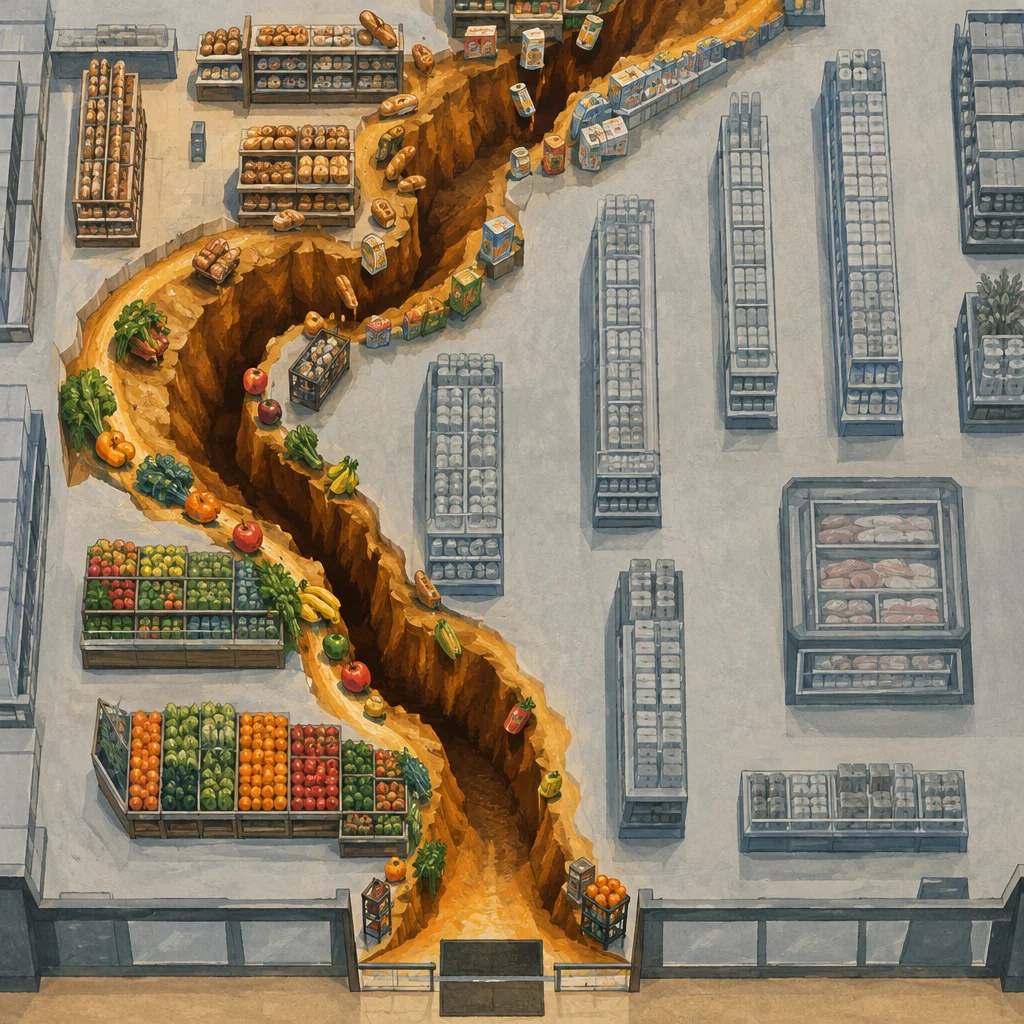
The route you take through a supermarket shapes which foods land in your cart before you make a single conscious choice about eating.
Eating vegetables and protein before carbohydrates at the same meal produces measurably different blood sugar and hunger outcomes than eating them in random order.
A short walk after meals improves blood sugar control and fat metabolism in ways that make it one of the most efficient uses of walking time.

The type of goal you choose before you begin determines how you interpret a hard week and whether you keep going through it.
Your internal response to a diet slip, not the slip itself, is what determines whether one imperfect meal becomes a lost day or week.

Emergency snacks shift from safety net to daily habit through a predictable pattern you can interrupt without giving them up entirely.

Willpower is not why your eating plan unravels midweek; specific structural gaps in how you plan predict the collapse and can be closed.
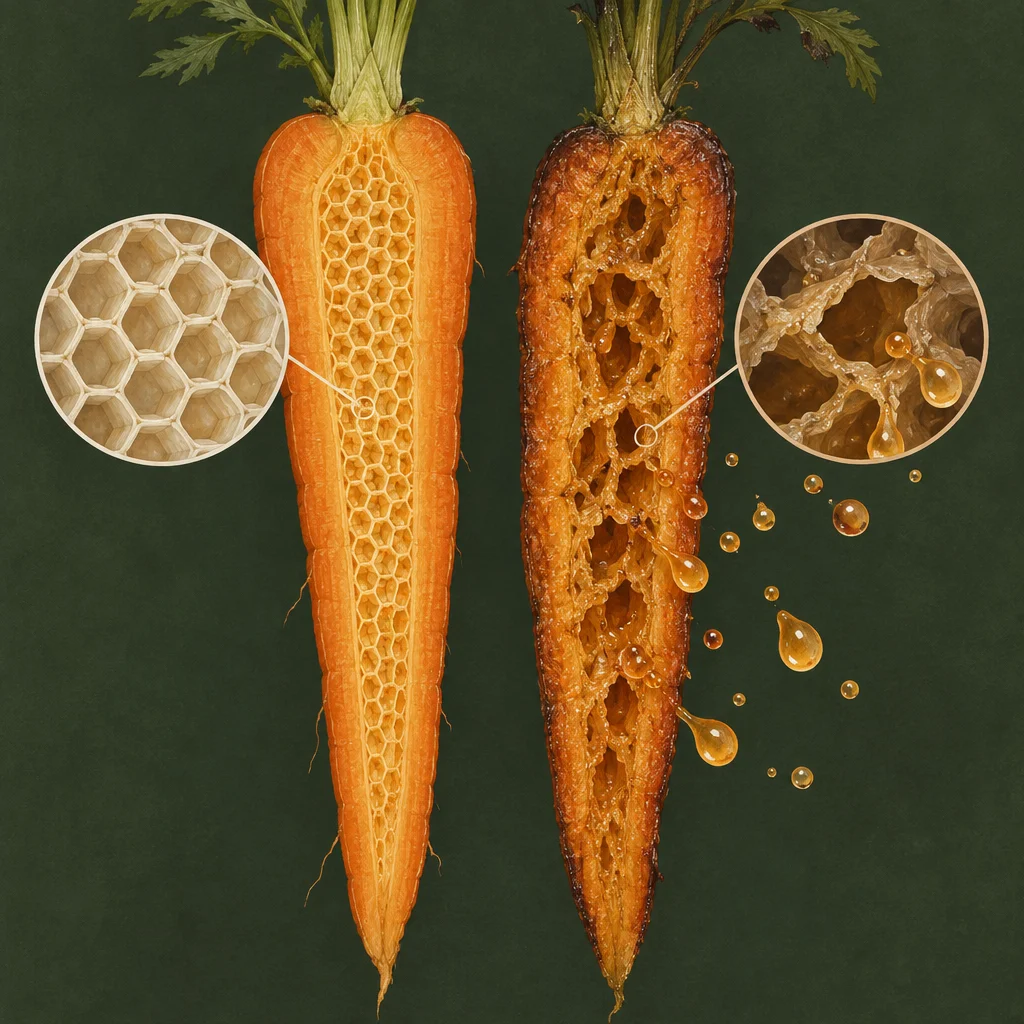
Cooking method changes the structure of plant foods in ways that shift how many calories your body can extract from each serving.
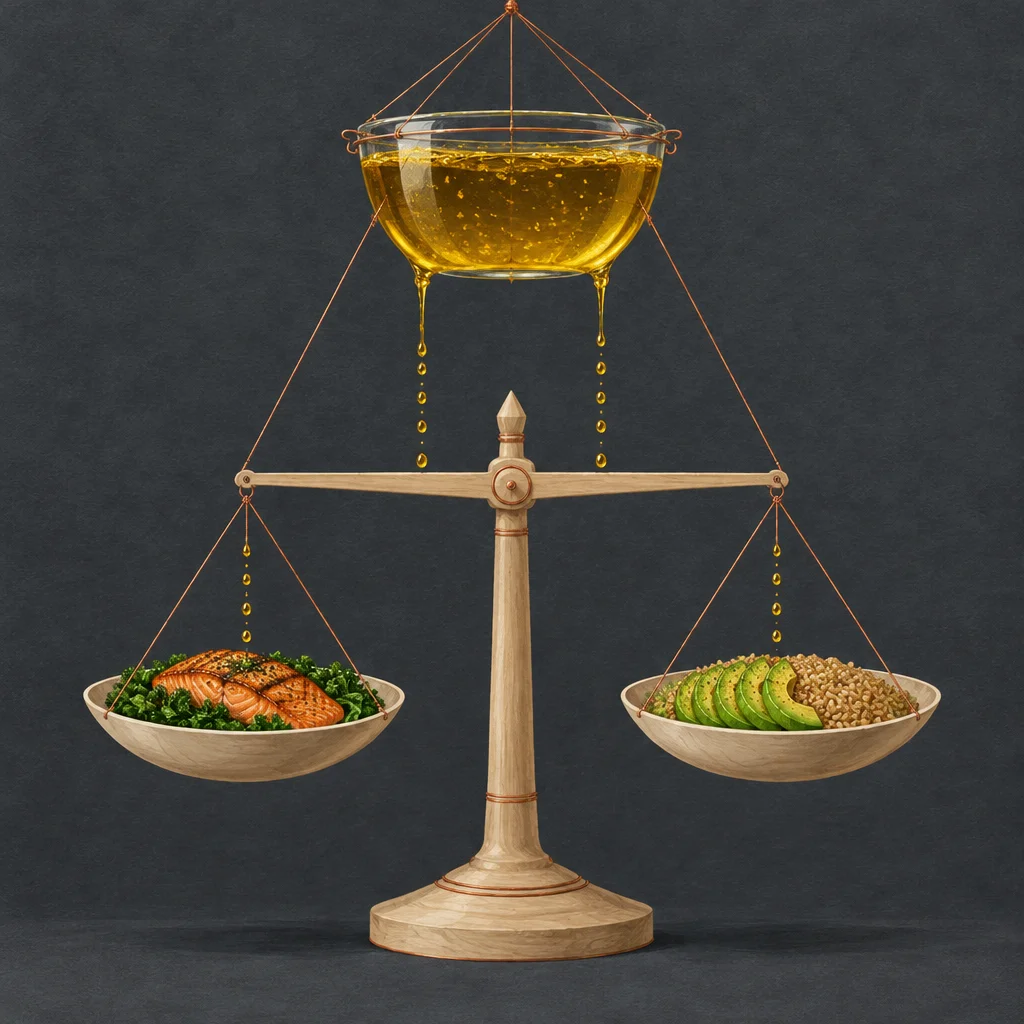
Certain combinations of individually nutritious foods can quietly push your total calories far beyond what your body needs to lose weight.
Meal frequency is not the variable that drives fat loss; the window of time those meals occupy each day is what your body responds to most.
Chronic stress reshapes how your body stores and burns the food you eat, making stress management a direct weight loss tool, not a soft add-on.
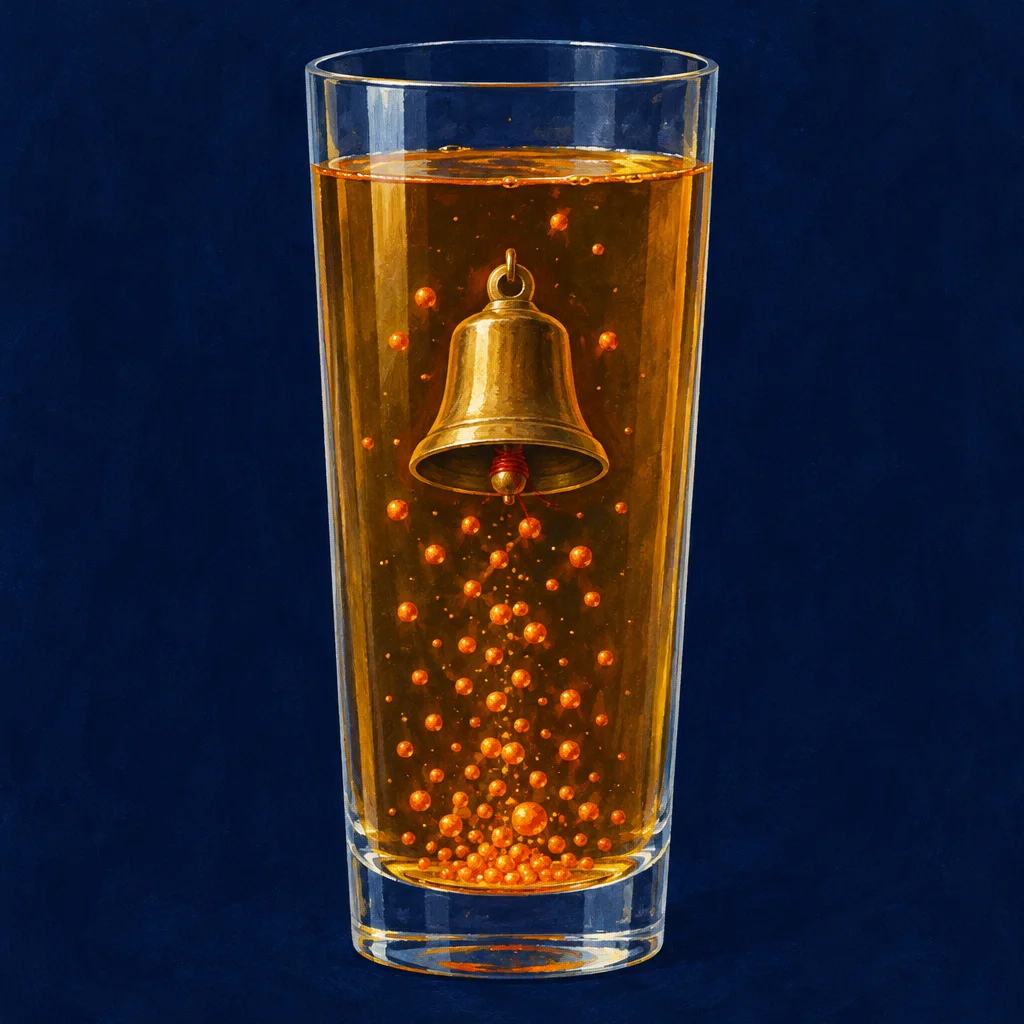
Liquid calories behave differently from food calories in your body, bypassing fullness signals in ways that make them easy to overlook and easy to fix.
Starting your day with enough protein shifts hunger hormones and reduces total calorie intake across the full day in ways later protein cannot fully replicate.

Skipping breakfast shifts appetite and food choices in ways that often cost more calories than the meal itself.
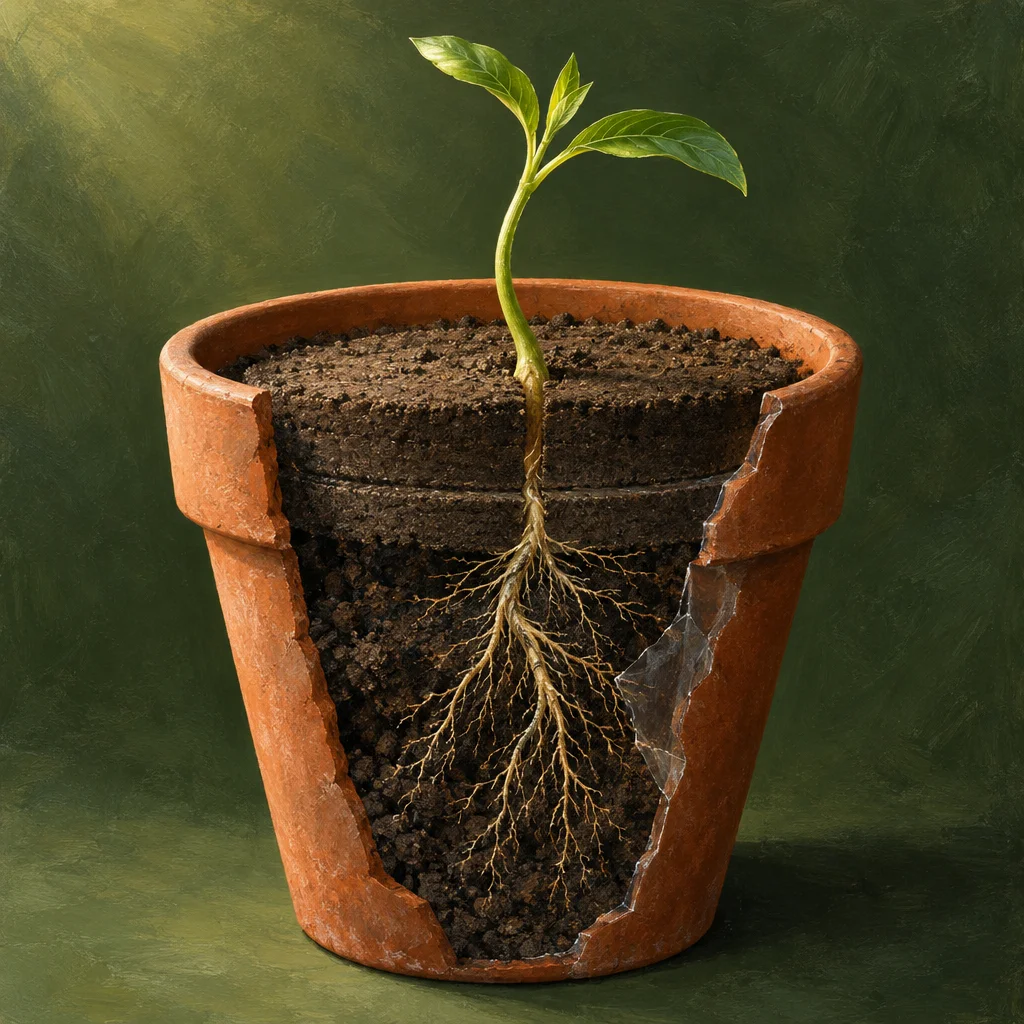
The set point your body settles into after months of dieting is temporary and adjustable, not a permanent ceiling on your results.

Dietary fiber influences appetite and calorie intake hours after a meal ends, through mechanisms that make it one of the most underused tools in practical fat loss.
Preserving muscle during a calorie deficit changes your long-term fat loss results more than the speed of weight loss does.
Early diet hunger and later diet hunger come from different biological sources, and responding to each one the right way changes your long-term results.
Your wake time sets a hormonal and hunger clock that influences food choices, appetite control, and fat metabolism for the next sixteen hours.

Travel strips away your kitchen, your routine, and your usual foods, and what you do next shows which healthy habits were real and which were just convenient.
A weight loss plateau usually signals one of three specific and fixable patterns, not a broken metabolism or a reason to quit.
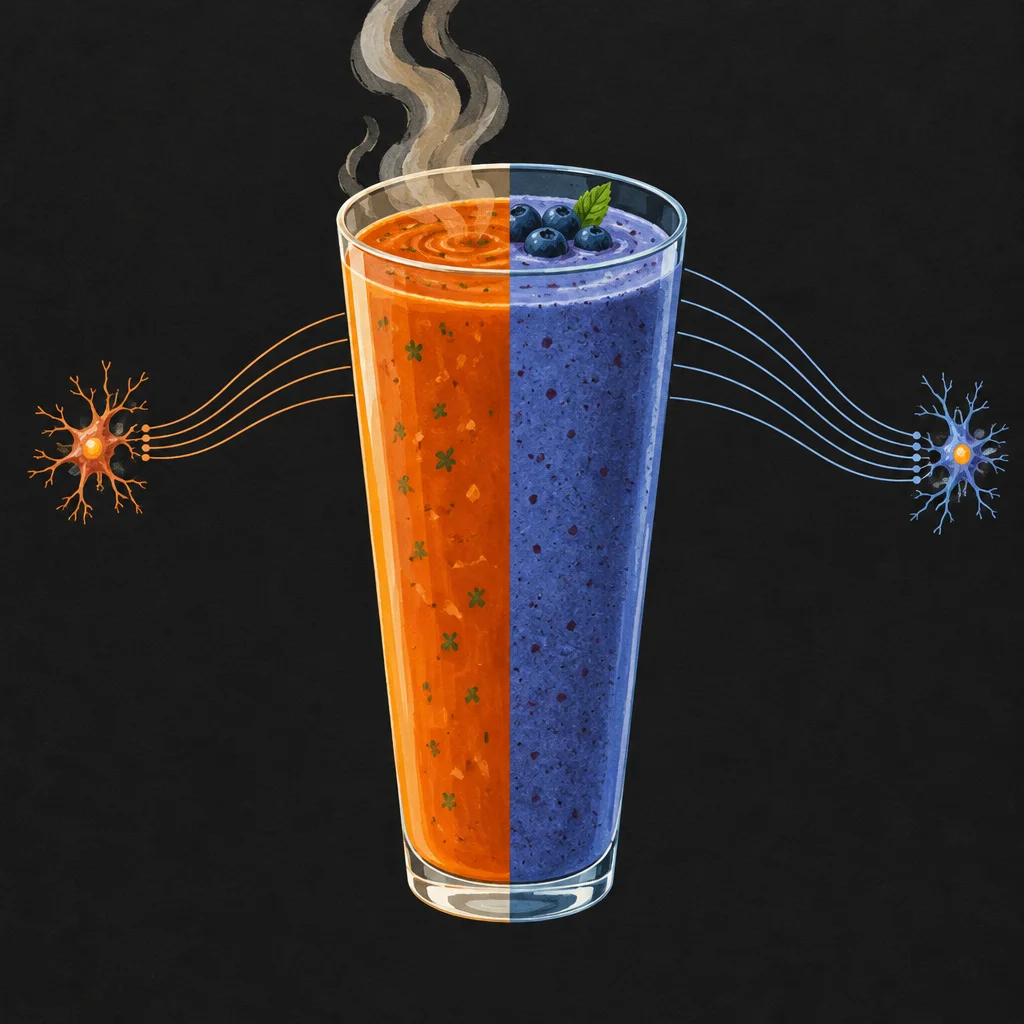
Hot and cold foods trigger satiety signals at different speeds, and understanding that timing gap helps you eat less without feeling deprived.
Daily scale readings carry enough natural noise to mislead you, but a simple weekly average turns that same data into a reliable signal.
How you measure a portion in practice, not on paper, is where most calorie estimates quietly drift and where small corrections pay off consistently.
Eating without hunger is not always a willpower failure; it usually signals one of a few fixable patterns that are worth identifying by name.
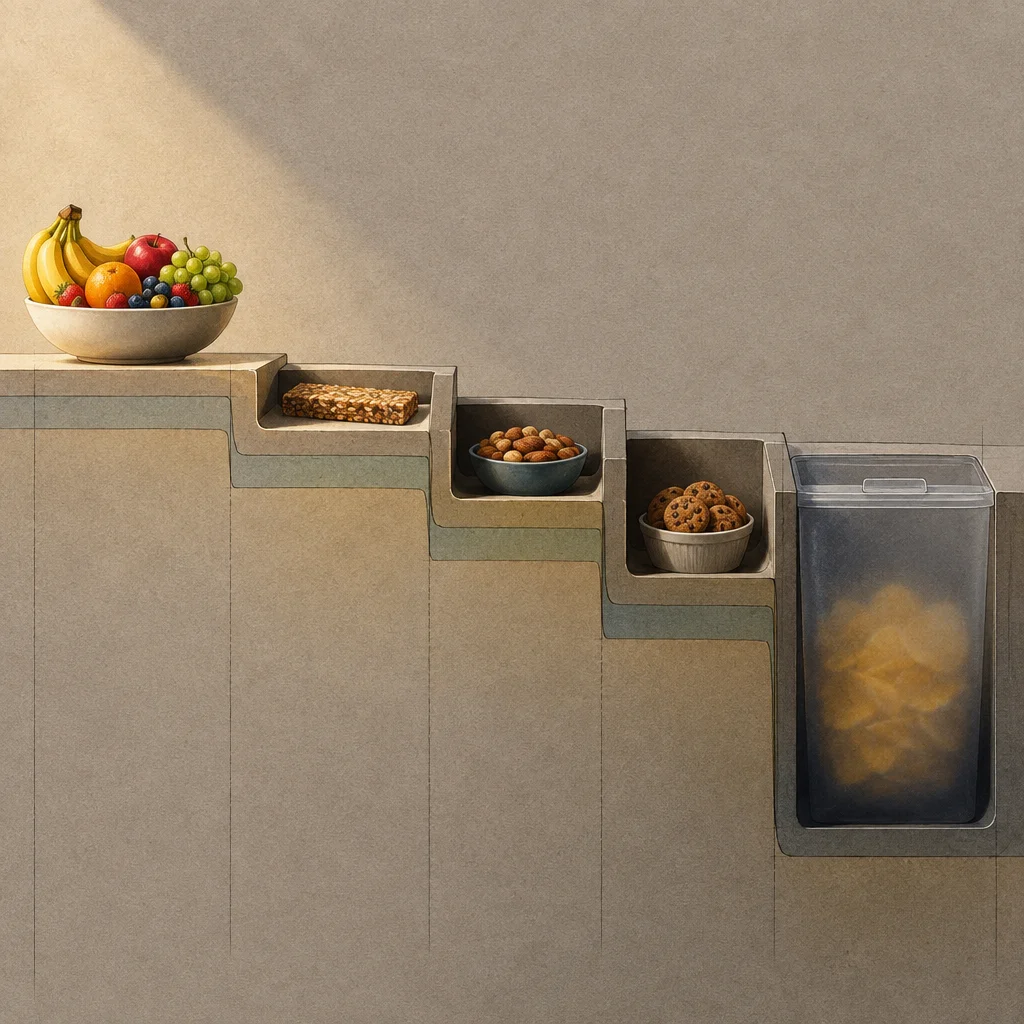
The physical arrangement of your kitchen shapes your default food choices through visibility and friction before hunger or willpower ever enter the picture.
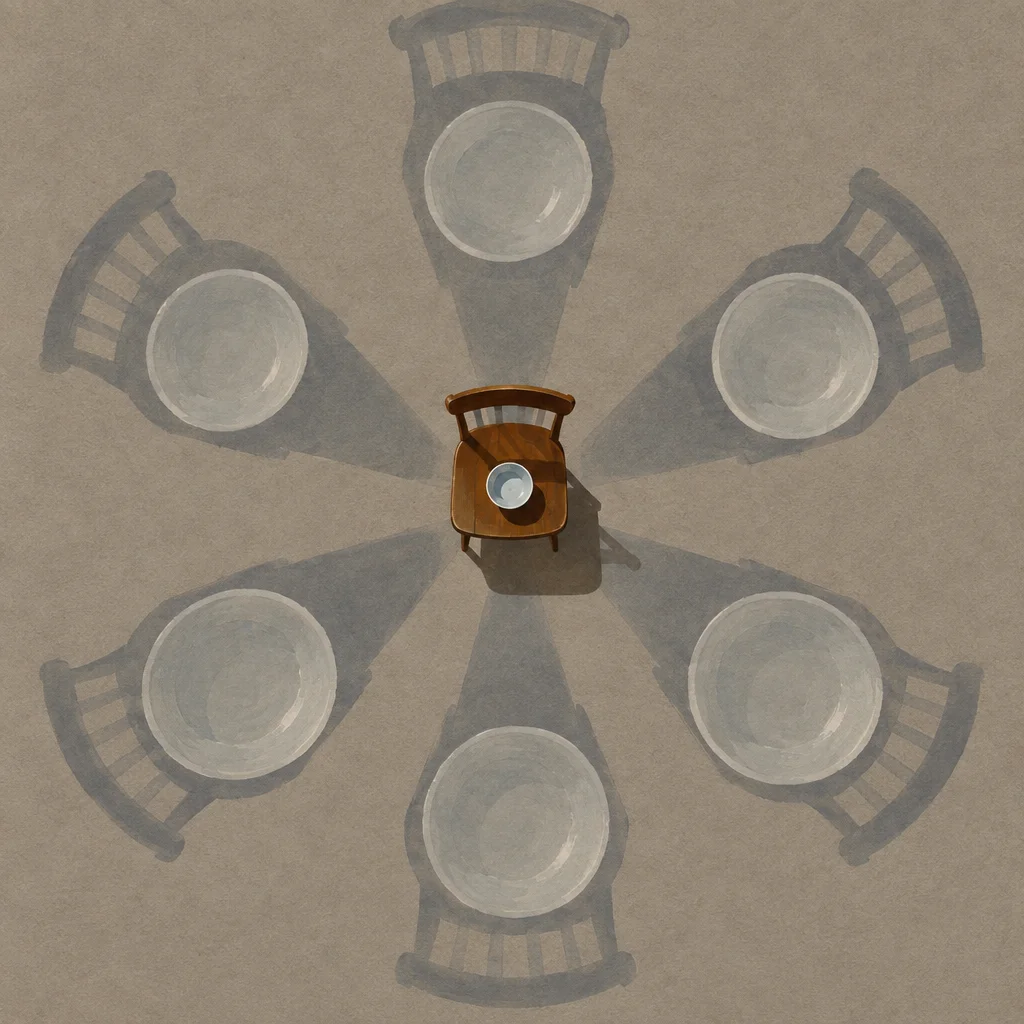
Solitary eating and shared eating pull your appetite and portions in opposite directions through separate mechanisms, and knowing which you're in changes how you plan.
Not all between-meal hunger signals the same thing, and learning to read what yours actually means changes how you respond to it.
How you bring a previously avoided food back into your eating pattern shapes whether it becomes a sustainable tool or a recurring derailment.
Timing a walk around your meals changes what your body does with blood sugar and fat in ways that matter more than most people realize.
The decisions you make in a store on Sunday quietly control your hunger, portions, and food choices for most of the week ahead.
Deciding how you will handle restaurants, parties, and shared meals before you arrive removes the moment of hesitation that most often leads to regret.
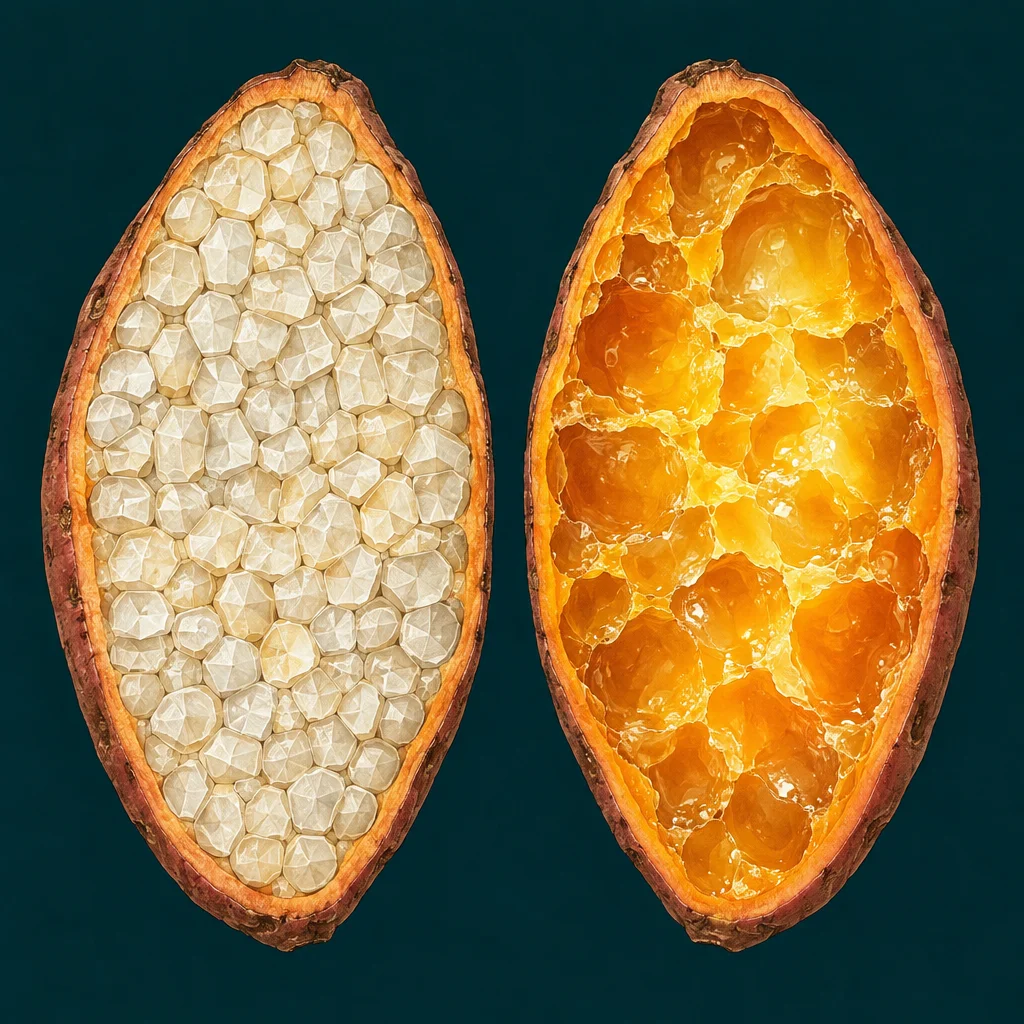
Cooking method affects how many digestible calories your body actually absorbs from the same food.
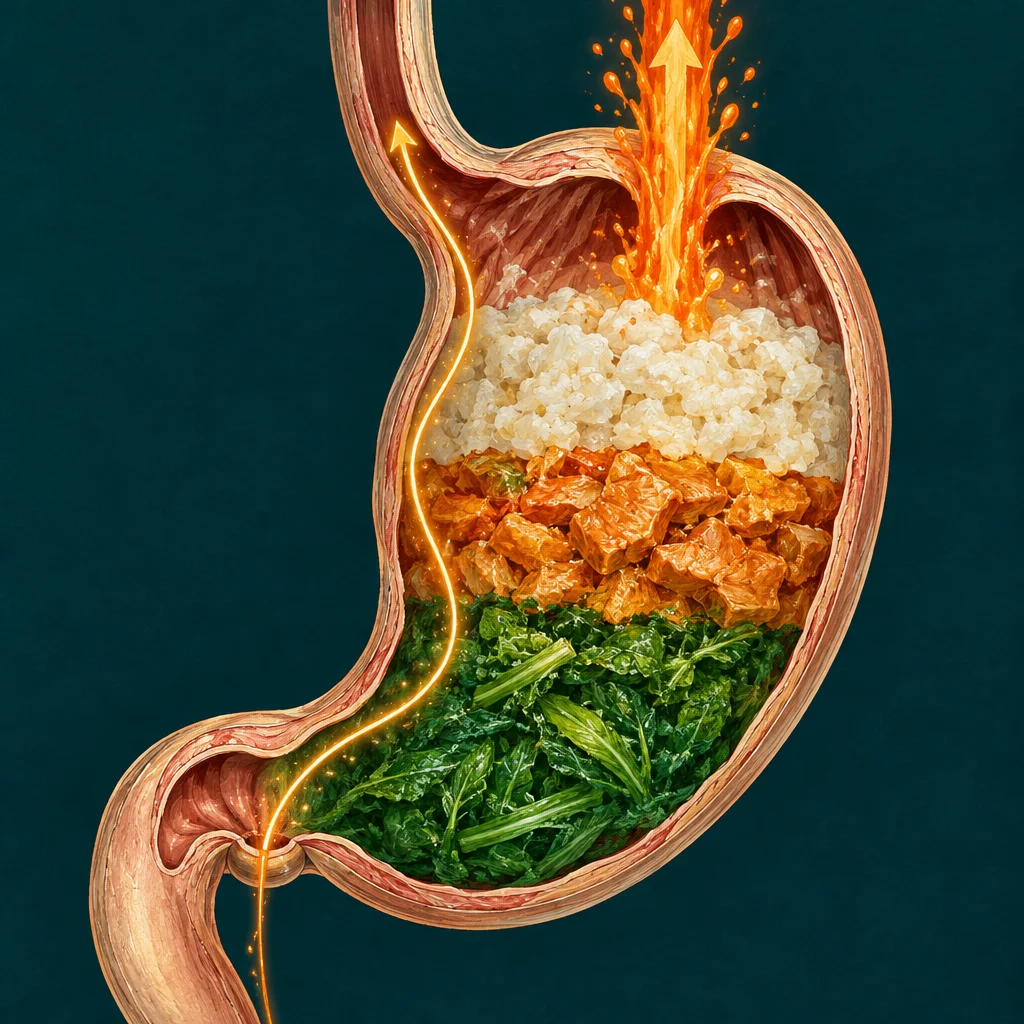
The sequence in which you eat vegetables, protein, and carbohydrates at a single meal measurably affects blood sugar, fullness signals, and total calories consumed.
How you respond in the hours and meals after an off day determines whether it becomes a blip or a pattern that undoes weeks of progress.
What you drink between meals shapes your appetite, calorie intake, and fat loss progress in ways that most diet plans never address.
Tolerability, not nutritional ranking, determines how consistently vegetables reduce hunger and calories across a week of real eating.
Midday protein intake shapes afternoon hunger and pre-dinner snacking more directly than most dieters realize, through three practical mechanisms worth understanding.
Cooking friction, not nutrition knowledge, is what most often separates a good eating day from a derailed one, and three small reductions fix it.

Decision fatigue builds throughout the day and quietly undermines food self-control by evening, but three structural changes can help.
The internal language you use around eating shapes your behavior and food choices more durably than any meal plan or calorie target.
The specific eating behaviors you practice daily predict long-term fat loss more reliably than which dietary approach you follow.
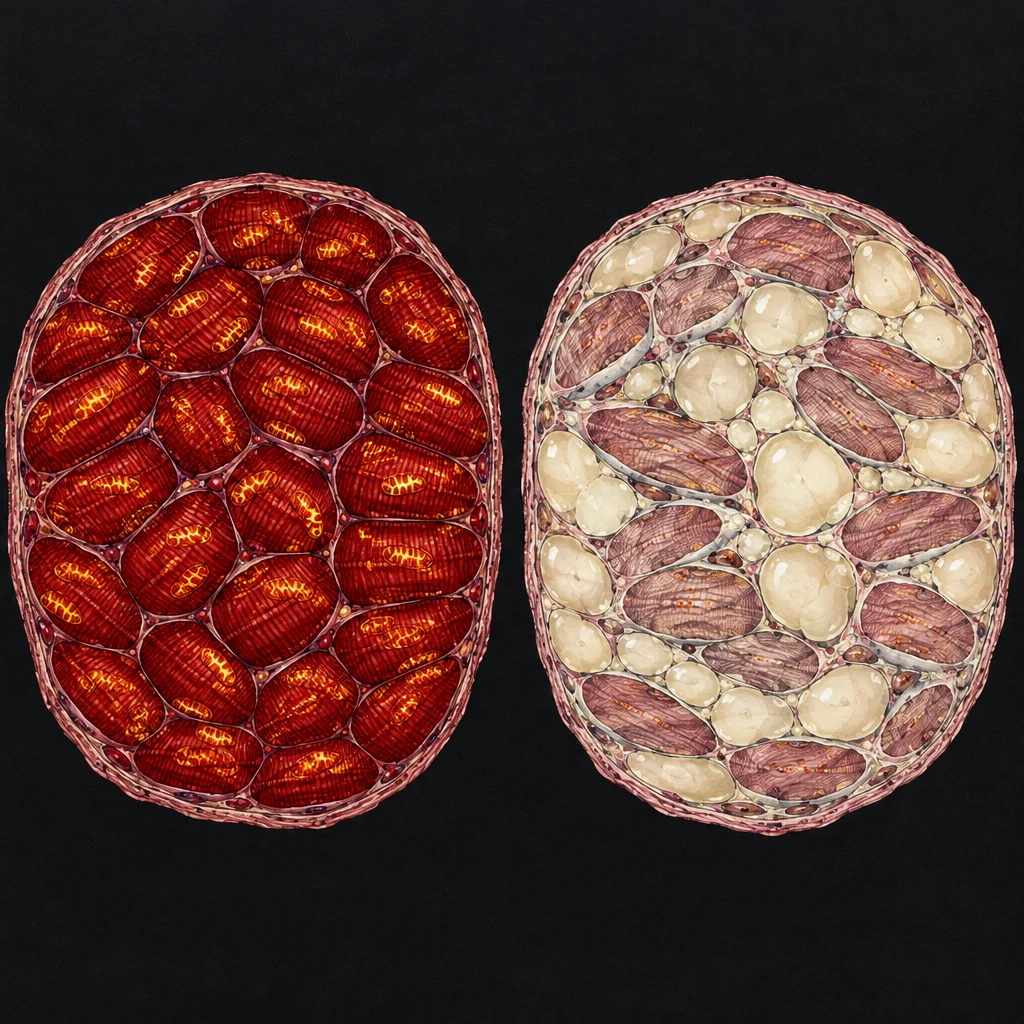
Losing weight without protecting muscle quietly changes your body composition in ways that make future fat loss harder and less sustainable.

Inexpensive staple foods can outperform pricier options on protein, fiber, and satiety per dollar for fat loss.

Poor sleep changes which foods your brain craves, how much you eat, and where your body stores the result through three distinct biological pathways.
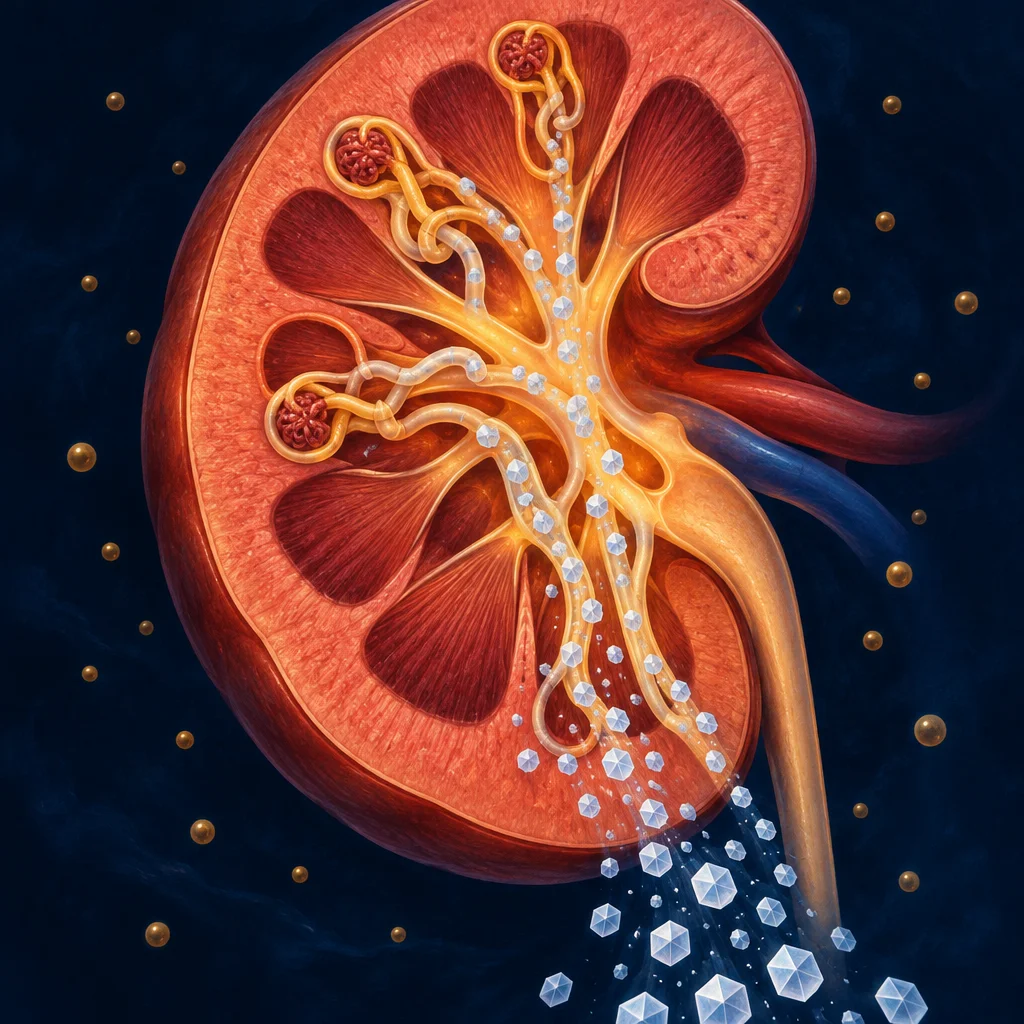
Cutting carbohydrates causes kidneys to excrete sodium faster, making strategic replacement essential to avoid fatigue and hunger.
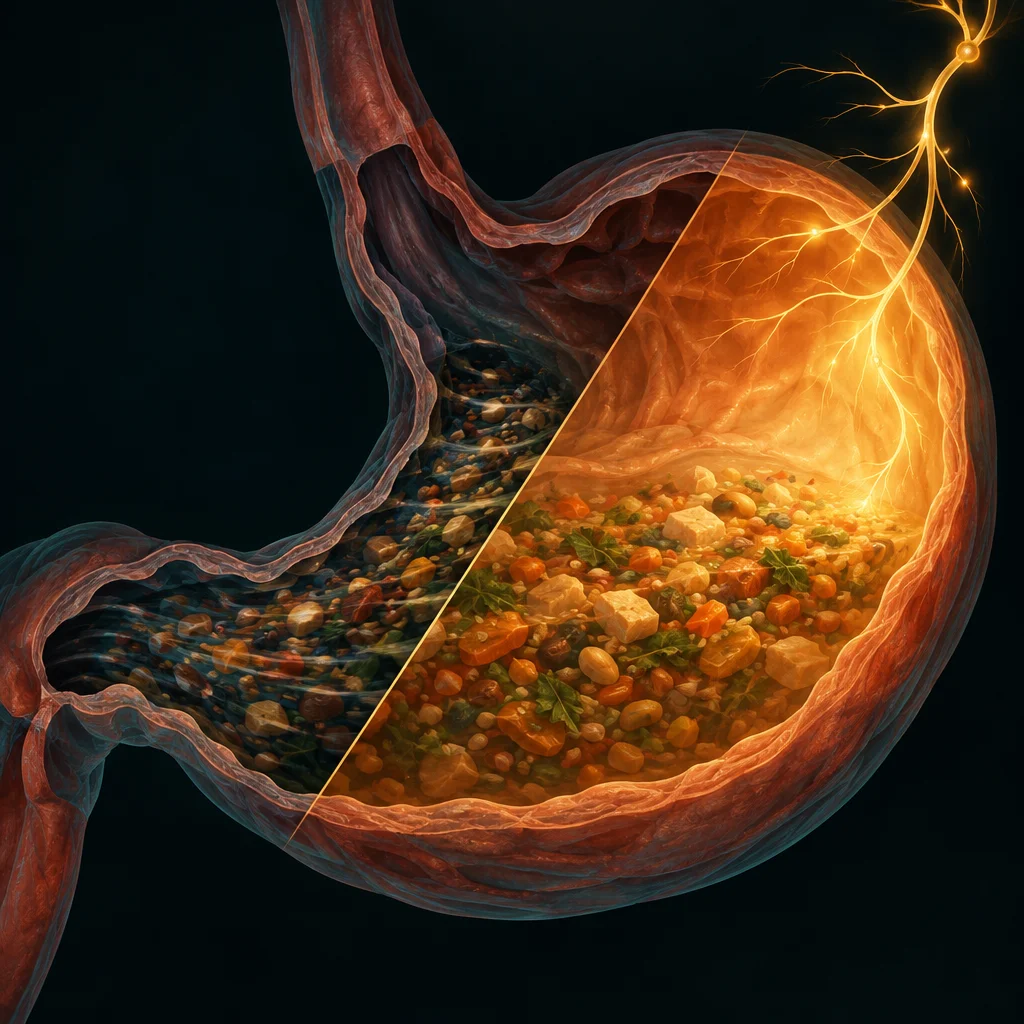
Eating speed directly controls which fullness signals reach your brain in time to stop you, and slowing down at three specific moments produces measurable results.
Ambient temperature influences hunger, calorie burn, and food choices through three distinct biological pathways that most dieters never consider.
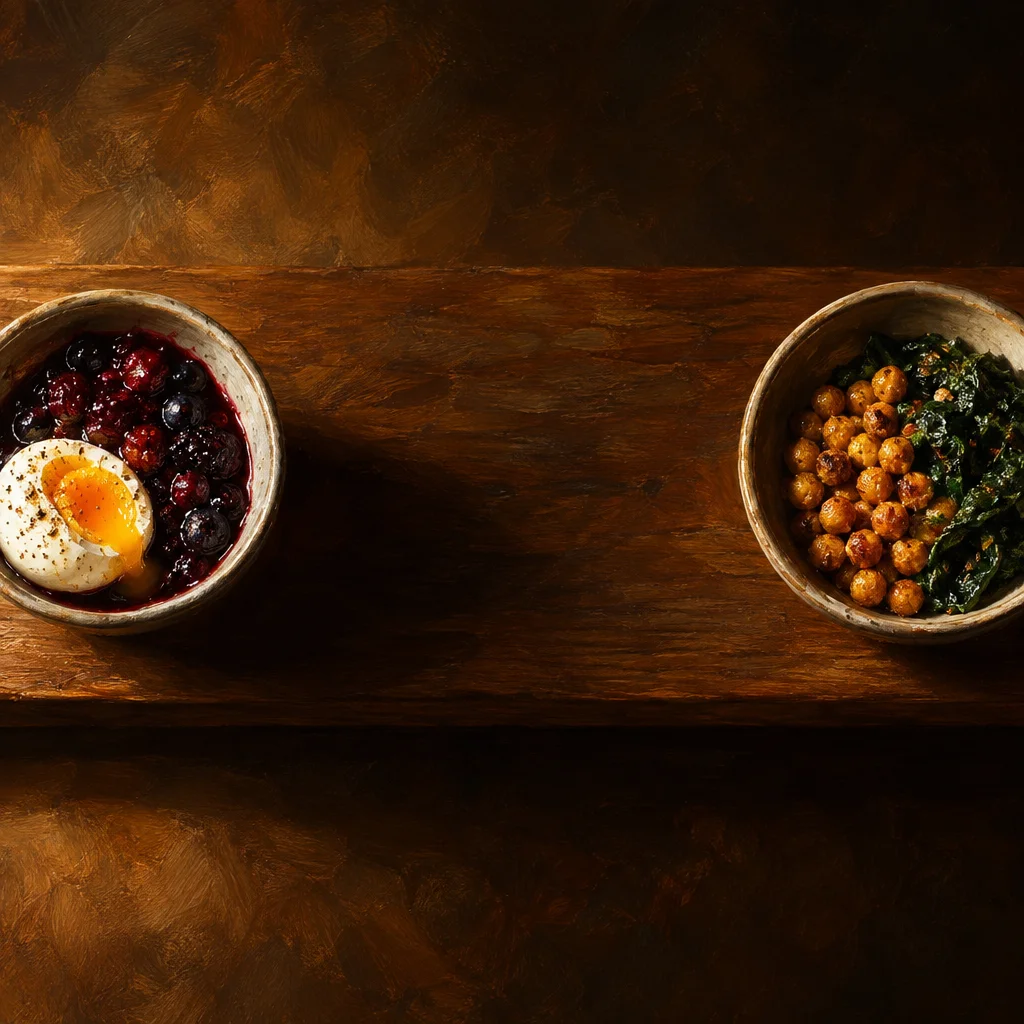
The specific foods you eat at your first and last meals of the day shape hunger and fat storage more powerfully than how many hours sit between them.
Most weight loss advice sells hope. This journal explains the evidence so you can decide what fits your actual life. Published by Weight Loss Wisdom. About the journal