Why the Drinks You Choose Between Meals Quietly Add More Calories to Your Day Than Most People Suspect
Liquid calories behave differently from food calories in your body, bypassing fullness signals in ways that make them easy to overlook and easy to fix.
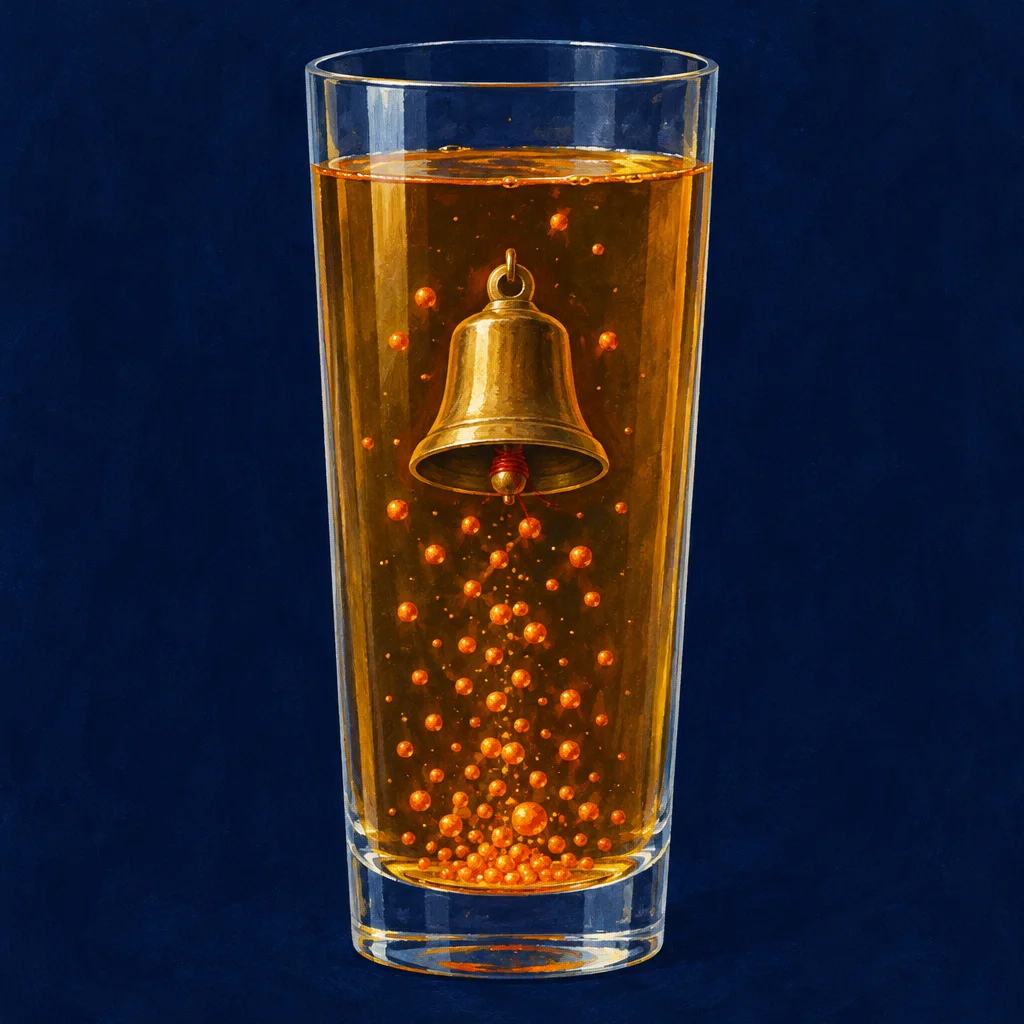
Most people, when they review what they eat in a day, think about food. Meals. Snacks. The handful of crackers at three in the afternoon. What rarely makes the mental list is everything they drink between those moments, and that gap is worth closing.
Drinks are not neutral. They deliver real calories, real sugar, and in some cases real amounts of fat. But they do something food generally does not: they move through your stomach quickly and leave little lasting signal of fullness behind. You can finish a large sweetened coffee drink, take in 300 to 400 calories, and feel just as hungry twenty minutes later as if you had consumed nothing at all.
Why liquids behave differently in your body
When you chew solid food, your body registers the process. Chewing itself sends early signals. Food spends time in your stomach, stretching it, triggering hormones that communicate fullness to your brain. The whole process has friction, and that friction works in your favor.
Liquid moves faster. It exits the stomach more quickly than solid food does, so the stretch signals are smaller and briefer. The fullness hormones that solid meals trigger are less strongly activated. This is not a flaw in your appetite system. It developed long before sugary drinks existed. Water, the drink your body was designed around, has no calories to account for, so there was no biological reason to build calorie-sensing machinery into the process of swallowing.
The result is a practical problem: liquid calories are largely invisible to your hunger regulation system. You consume them, but your next meal is not smaller to compensate. Research on appetite consistently finds that people do not spontaneously reduce their food intake to account for calories consumed in drinks the way they tend to, at least partly, after eating calorie-dense food.
Where the calories actually come from
The obvious sources are sodas, fruit juices, energy drinks, and sweetened teas. But several less-obvious sources tend to catch people off guard.
Coffee and tea on their own have almost no calories. Add a splash of half-and-half, a flavored syrup, or a generous pour of oat milk, and the picture changes. A single large specialty coffee order, the kind with multiple pumps of syrup and steamed milk, can approach a full small meal in calorie content. People often do not register it as a meal because it does not feel like one.
Alcohol is another quiet contributor. Alcohol itself contains nearly as many calories per gram as fat, and it slows the body's ability to use stored fat for fuel in the hours after you drink. A couple of glasses of wine a few evenings a week adds up across a month in ways that can genuinely stall progress without the person ever feeling like they overindulged.
Sports drinks and vitamin waters are worth a look too. They are marketed alongside exercise and health, which creates an impression of lightness. Many contain significant amounts of added sugar designed for endurance athletes who genuinely need rapid fuel. If you are taking a forty-five minute walk, which is excellent, those drinks are almost certainly providing more than your activity requires.
A practical way to actually see what you are drinking
For three days, write down every drink you have, including the specifics. Not just "coffee" but coffee with two tablespoons of creamer. Not just "juice" but the size of the glass. You do not need to calculate anything at first. The point is simply to make the list visible, because most people are genuinely surprised by what appears on it when they look honestly.
After three days, you will likely spot one or two high-calorie drinks that you consume out of habit rather than real enjoyment. Those are the ones worth adjusting first.
Substitutions that actually hold up over time
The goal is not to make every drink water and nothing else. That approach tends to create a feeling of deprivation that fades quickly. A more durable approach is finding lower-calorie versions of the drinks you already like.
If you enjoy sweetened coffee, try gradually reducing the pumps of syrup rather than eliminating them at once. Many people find that cutting by half takes about two weeks to feel normal, and they stop noticing the difference. That small change, repeated daily, removes a meaningful number of calories across a month without requiring willpower at any individual moment.
Sparkling water is worth trying if plain water feels boring to you. The carbonation adds enough texture that many people find it genuinely satisfying in a way flat water is not. Adding a slice of citrus or a few leaves of fresh mint costs almost nothing.
If you drink juice regularly, eating the whole fruit instead gives you the same flavor with fiber that slows digestion and reduces the calorie-invisible effect described above. A medium orange and a glass of orange juice may have similar calories, but the orange takes longer to consume, creates more physical fullness, and leaves you less likely to reach for something else twenty minutes later.
Alcohol specifically: a straightforward look at tradeoffs
This is not about telling you not to drink. Adults make their own decisions, and a publication that pretended otherwise would not be very useful. But it is worth knowing what the tradeoff actually is.
Alcohol tends to lower inhibition around food choices, so drinks before or during a meal often shift what and how much you eat alongside them. Alcohol also disrupts sleep quality even when it initially helps you fall asleep, and disrupted sleep has a reliable effect on hunger hormones the following day. None of this means you cannot lose weight while drinking at all. Many people do. It means alcohol has multiple channels through which it can slow progress, and being clear-eyed about that lets you decide how to factor it in.
For practical purposes, suggesting alcohol as a weekend-specific choice rather than a daily one is a lower-disruption approach than elimination for most people.
The takeaway that actually moves the number
You do not need to change everything you drink. Identify the one or two highest-calorie drinks in your current routine, find a version that satisfies the same habit at lower cost, and swap gradually rather than abruptly. That single category of change, sustained across weeks, tends to create noticeable movement on the scale without changing anything about the way you eat solid food.
Drinks feel small. They do not feel like decisions in the same way meals do. That is exactly why adjusting them is often easier than adjusting meals, and why the change tends to stick.