Why the Salt You Use While Cooking Changes How Much You Eat at the End of a Meal
Where you add salt during cooking versus at the table produces different flavor intensity and satisfaction, which shapes how much food you need to feel done.
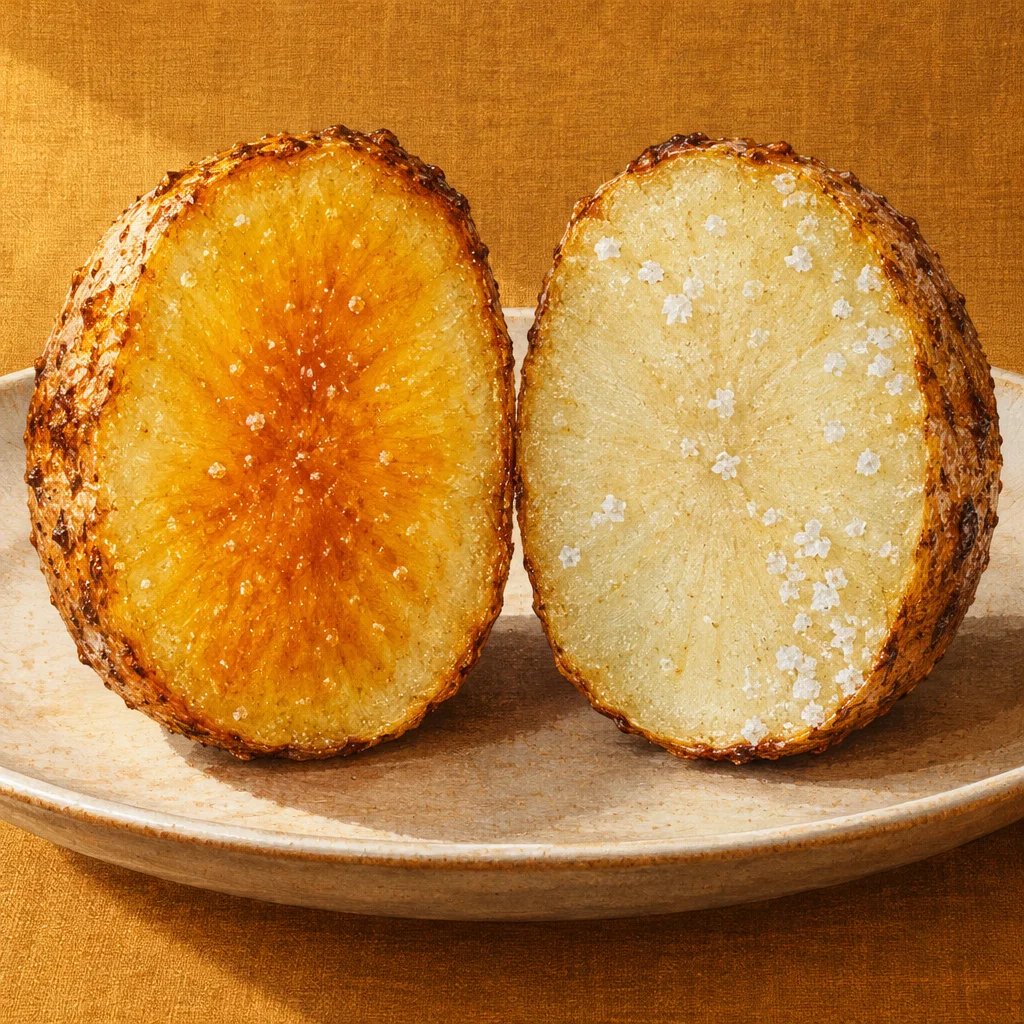
Salt is not a weight loss villain. But the timing of when it hits your tongue during a meal is something most people have never thought about, and it turns out that timing has a quiet but measurable effect on how satisfied you feel when you push back your plate.
Here is the basic idea. Salt does not just make food taste salty. It amplifies every other flavor in a dish. When salt is cooked into food, it distributes evenly through the whole ingredient. When you add it at the table after cooking, it sits on the surface. Surface salt hits your taste receptors immediately and intensely. That burst of flavor registers faster and more strongly in your brain's satisfaction system.
This matters for weight loss because fullness and satisfaction are two different things. You can be physically full and still feel like something is missing, which is usually what sends you back for a second helping or toward the pantry thirty minutes after dinner. Flavor satisfaction is one of the signals that tells your brain a meal is complete. Eating food that tastes flat or underwhelming keeps that signal waiting longer than it should.
The case for salting strategically, not generously
The goal here is not to eat more sodium. It is to get more satisfaction from the sodium you are already using. Shifting some of your salt from the cooking stage to a small finish right before eating is one way to do that without adding a single extra gram.
A practical example: if you are roasting vegetables and you salt them before they go into the oven, much of that salt gets absorbed and distributed. The vegetables taste savory throughout but may not hit your palate with much intensity. If you use slightly less salt during cooking and add a small pinch of flaky or coarse salt after they come out, the surface crystals dissolve on your tongue right as you take each bite. The flavor lands harder and faster.
Many professional cooks do this automatically. The technique is called finishing, and the reason it produces better-tasting food is exactly the reason it may help with portion control: concentrated surface flavor creates a stronger sensory signal per bite.
What this has to do with how much you eat
Your brain uses sensory input, including taste intensity, to track whether a meal has been satisfying. This is not a perfect system, which is why eating quickly or while distracted can let you consume far more than you needed before the signal catches up. But it is a real system, and you can work with it.
Food that tastes bold and complete tends to be more satisfying per calorie than food that tastes bland, even when the calorie counts are identical. This is part of why plain boiled chicken breast is genuinely harder to stick with than the same chicken cooked with seasoning, acid, and a finishing touch of salt. The well-seasoned version is more likely to feel like enough.
For anyone trying to eat less without feeling deprived, this is a useful lever. It does not require buying anything special. Coarse kosher salt or a small container of flaky salt costs very little and lasts a long time. A light pinch goes a long way when it is on the surface rather than dissolved through a dish.
A few practical suggestions to try
First, season in layers but hold a small amount back. Cook your protein or vegetables with most of your salt, then add a small finishing pinch right before serving. Notice whether the dish tastes more vivid.
Second, taste before you add salt at the table. This sounds obvious but most people reach for the shaker automatically. Tasting first tells you whether the food actually needs more salt or whether the habit is just automatic. Often the food is already well-seasoned and the instinct to salt it further is just a reflex.
Third, pair your finishing salt with something acidic. A squeeze of lemon or a small splash of vinegar before that final pinch of salt amplifies the brightness of both. The combination tends to make simple, lower-calorie food taste much more complete, which means you are more likely to feel satisfied with a reasonable portion.
Fourth, slow down enough to actually taste your food. Surface salt works better when you chew slowly enough to let it dissolve before swallowing. If you eat quickly, the salt does not have time to register before the bite is gone, and you lose the satiety benefit entirely.
What this is not
This is not a reason to eat more sodium than your doctor has recommended. If you have been advised to limit sodium for blood pressure or kidney reasons, those instructions take priority over any satiety strategy. The suggestion here is about redistributing the salt you are already using, not adding more overall.
This is also not a magic fix for overeating. It is one small, practical lever among many. But it is one that costs nothing, requires no special food, and works on the meals you are already making.
The honest bottom line
Satisfying food and healthy food are not opposites. The more you can make your lower-calorie meals taste genuinely good, the less you will rely on willpower to eat them consistently. Flavor is a tool, and salt used strategically, in the right amount at the right moment, is part of that tool.
Next time you cook something simple, try finishing it with a small pinch of coarse salt instead of salting heavily before cooking. Then eat slowly enough to actually notice the difference. That is all this takes.