Why Your Body Needs More Sodium Than You Expect When You Cut Carbohydrates
Reducing carbohydrates triggers a hormonal shift that causes your kidneys to excrete sodium faster, and replacing it strategically prevents the fatigue and hunger that derail low-carb efforts.
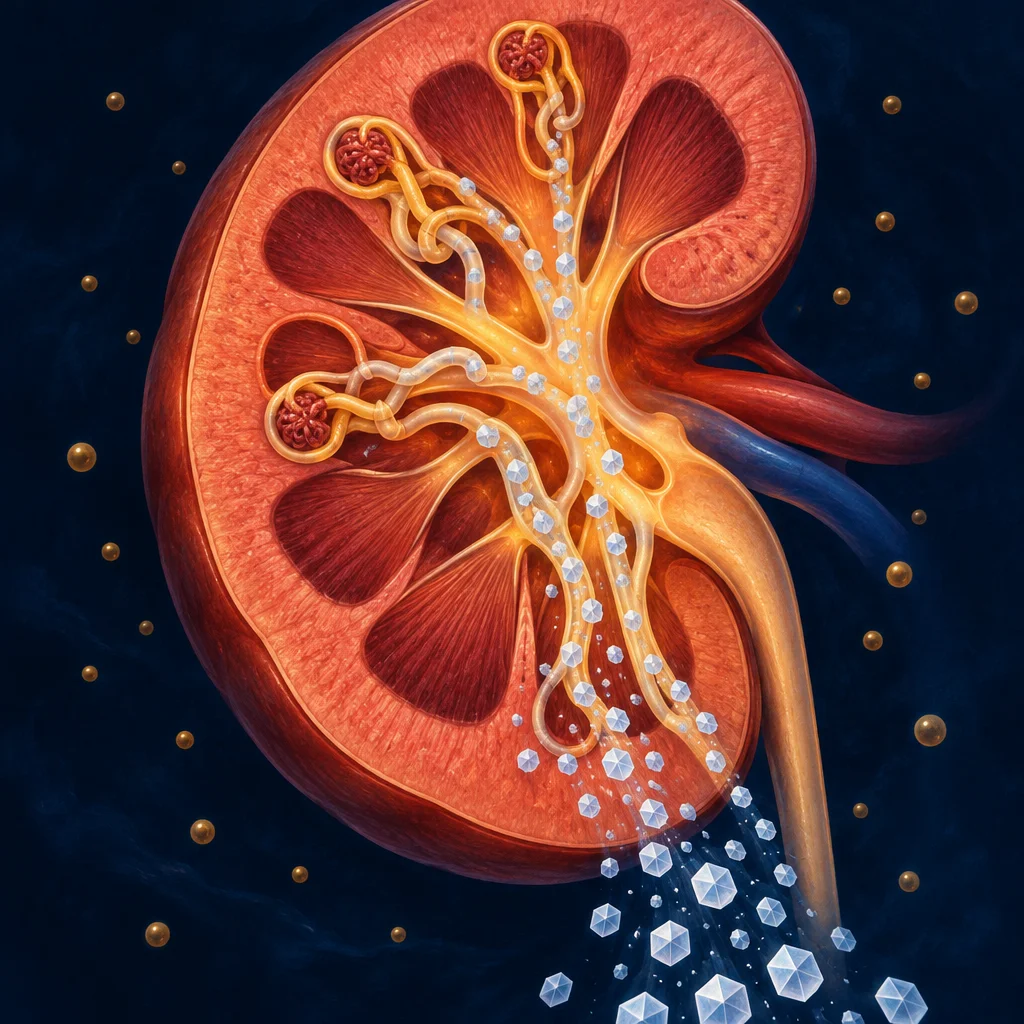
When people cut back on bread, rice, pasta, and sugar, they often feel surprisingly good for the first few days. Then, sometime around day three to five, something shifts. Energy drops. Headaches arrive. Cravings spike. Sleep gets choppy. Many people decide the diet is not working for them and quit.
The problem is usually not the diet. It is salt.
What Carbohydrates Actually Do to Your Fluid Balance
Carbohydrates influence how your kidneys handle sodium. When carbohydrate intake is high, insulin levels tend to stay elevated across the day. One of insulin's many jobs in the body is to signal the kidneys to hold onto sodium, which in turn holds water in your tissues.
When you reduce carbohydrates significantly, insulin levels drop. That drop is generally part of what makes low-carb eating useful for weight loss. But it also releases the brake on sodium excretion. Your kidneys start flushing sodium out at a faster rate than usual, and water follows it. This is why the scale often drops quickly in the first week of a lower-carb diet. Much of that initial loss is fluid, not fat.
Losing fluid is not the problem. Losing sodium without replacing it is.
What Low Sodium Actually Feels Like
Sodium is an electrolyte, which means your body uses it to move electrical signals between cells. Muscle contractions, nerve function, and fluid distribution across your body all depend on having enough of it in the right places.
When sodium drops too low, the symptoms can be surprisingly miserable. Fatigue that feels out of proportion to what you ate. A dull headache that does not go away. Muscle cramps, especially in the legs. Light-headedness when you stand. Difficulty concentrating. Irritability. Sleep that feels restless.
These symptoms are sometimes called the low-carb flu, and they are real. But they are not caused by carbohydrate restriction itself. They are caused by the electrolyte loss that comes with it, and they are largely preventable.
Hunger also tends to increase when sodium is low, because your body interprets fluid and mineral depletion as a signal to find food. This means that a sodium deficit can quietly amplify cravings and make a reasonable calorie target feel much harder to maintain.
How Much More Sodium You Might Actually Need
This is an area where individual variation matters, and blanket numbers should be treated as rough starting points rather than prescriptions. That said, the general picture is useful.
Most standard dietary guidelines suggest limiting sodium to somewhere around 2,300 milligrams per day for the general population. That guidance is designed partly to offset the high sodium content of processed foods, which most low-carb eaters are already reducing or eliminating.
When someone significantly reduces carbohydrates and cuts out most processed food at the same time, they may find their actual sodium intake drops below what their body needs under the new hormonal conditions. Many people doing low-carb or ketogenic-style eating find they feel better with sodium intake in a range closer to 3,000 to 5,000 milligrams per day, though anyone with high blood pressure, kidney disease, or heart conditions should talk with a doctor before increasing sodium intentionally.
The key is to pay attention to how you feel, not just what a tracker says.
Practical Ways to Get Sodium Without Processed Food
The good news is that replacing sodium does not require eating chips or processed snacks. Simple strategies work well.
Salting your food more generously at cooking and at the table is the most direct approach. Using regular table salt or sea salt on eggs, vegetables, meat, and salads adds sodium without adding anything that undermines your goals. A pinch of salt in a glass of water in the morning is a simple habit some people find helpful.
Broth is one of the most practical tools available. A cup of low-carb-friendly chicken, beef, or vegetable broth provides several hundred milligrams of sodium in a warm, satisfying format that also helps with fluid intake. If you make broth at home or buy a plain version without added sugar, it fits almost any eating pattern.
Pickled vegetables, olives, and capers are naturally salty foods that also provide small amounts of fiber and variety. They work well as snacks or additions to meals when you are trying to keep sodium up without adding much else.
If you are also losing magnesium and potassium alongside sodium, which is common in the same hormonal context, leafy greens, avocado, and nuts can help address those without straying far from a lower-carb approach.
A Note on Tracking Symptoms Instead of Just Numbers
Not everyone who reduces carbohydrates loses sodium at the same rate. Activity level, the degree of carbohydrate reduction, individual kidney function, sweat rate, and starting body composition all influence how quickly electrolytes shift.
Rather than trying to hit an exact number, pay attention to a few reliable signals. If you feel good, have reasonable energy, and are not experiencing headaches or unusual fatigue, your sodium intake is probably adequate. If you are dragging, craving heavily, or feeling dizzy, increasing sodium-containing foods for a few days and noticing whether symptoms improve is a reasonable first step before assuming the diet itself is the problem.
This is a situation where the symptom is a useful data point. The body is fairly clear when it needs more.
The Bigger Picture
Low-carb eating can be a genuinely useful tool for weight loss. It tends to reduce appetite in many people, stabilizes blood sugar swings that drive cravings, and makes meal planning simpler when protein and vegetables anchor the plate.
But like any approach, it works best when you understand the biological changes it creates. The kidney-sodium connection is not a flaw in the diet. It is a predictable physiological consequence of lowering insulin, and it is easy to manage once you know it is happening.
If you have tried reducing carbohydrates before and stopped because you felt awful, it is worth considering whether sodium was the missing piece rather than the dietary approach itself. Feeling terrible in week one is not always a sign the strategy is wrong. Sometimes it is a sign the strategy needs one small adjustment to work the way it is supposed to.