Why the Temperature of the Food You Eat Influences How Much of It You Need to Feel Full
Hot and cold foods trigger satiety signals at different speeds, and understanding that timing gap helps you eat less without feeling deprived.
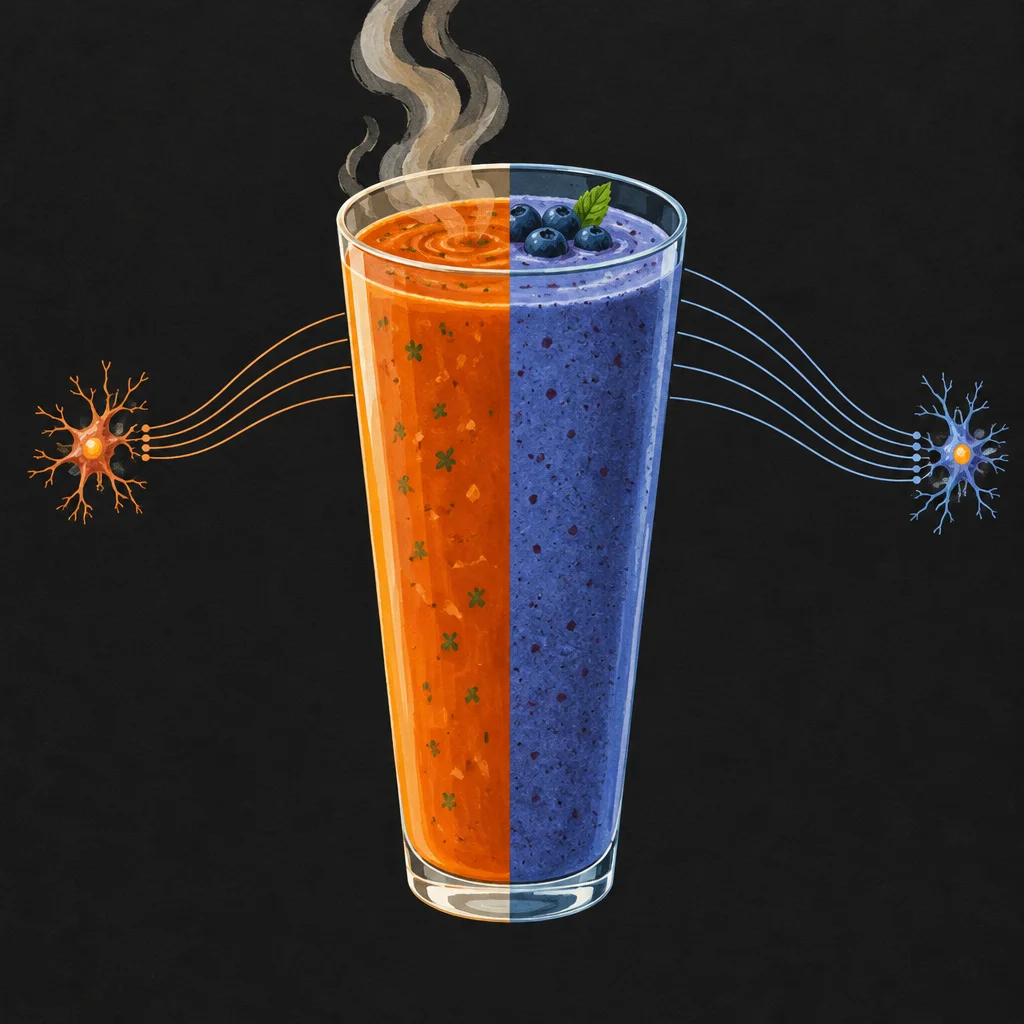
Most of us think about what we eat and how much we eat. Fewer of us think about the temperature of what we eat, and whether that variable quietly affects how satisfied we feel at the end of a meal. It does, and the mechanism is practical enough to act on.
Why Temperature Gets Into the Fullness Equation
Your stomach and the nerves surrounding it are sensitive to heat, cold, volume, and the rate at which a meal empties into your small intestine. These signals travel to your brain and contribute to the feeling of fullness, technically called satiety. The speed of that process matters a great deal, because your brain does not register fullness instantly. There is a lag, commonly estimated at roughly fifteen to twenty minutes between the moment food enters your stomach and the moment the relevant signals arrive clearly enough to reduce your desire to keep eating.
Temperature interacts with that lag because it affects how quickly food moves through your digestive system. Very cold foods and beverages can temporarily slow the muscular contractions that move food along. Very hot foods tend to slow your eating pace naturally, because you cannot eat something scalding at speed. Both effects have consequences for how much you consume before fullness registers.
Cold Food and the Eating Pace Problem
Cold foods are easy to eat quickly. Think about the difference between spooning through a bowl of cold pasta salad versus a bowl of hot soup. The soup demands patience. The pasta salad does not.
When you eat quickly, you consistently outpace your fullness signals. By the time your brain receives clear messages that you have eaten enough, your plate is already empty and you may have consumed more than you needed. Cold, easy-to-eat foods accelerate this pattern.
This is not a reason to avoid cold food. A cold salad, cold protein, or cold fruit can all be excellent choices for fat loss. The practical point is to build deliberate pace into cold meals. Setting your fork or spoon down between bites, adding more chewing than the food technically requires, and including components that take some effort, like whole vegetables or tougher textures, all slow you down artificially when the temperature is not doing that job for you.
Hot Food and the Natural Brake It Provides
Hot meals require you to slow down. You take smaller bites, you pause to let food cool slightly in your mouth, and you often sip water between bites without thinking about it. That slower pace gives your fullness signals time to catch up with your intake.
Hot liquids are a useful specific case. A hot broth or soup at the start of a meal has a reasonable body of practical support for reducing how much people eat during the rest of that meal. The warmth, volume, and eating pace all combine to give satiety signals a head start. A bowl of broth before a larger meal is not a trick or a hack. It is just physics and timing working in your favor.
Hot meals also tend to feel more substantial than cold ones, even when calorie content is identical. This is partly sensory and partly psychological, but the result is real: a hot plate of food often satisfies in a way that a cold equivalent does not, which means you are less likely to go looking for more food an hour later.
A Practical Framework for Using This
You do not need to overhaul your diet around temperature. A few adjustments are enough to capture most of the benefit.
Start lunch and dinner with something warm when you can. A small bowl of broth, a mug of herbal tea, or a warm vegetable soup does not need to be elaborate. Even ten ounces of warm liquid before a main course changes the pace and the fullness timeline of that meal.
Treat cold meals as a pace challenge. When your main meal is a salad, cold grain bowl, or anything else you could eat in four minutes if you wanted to, set a timer if it helps. Aim to spend at least fifteen minutes on it. Add something that requires chewing effort, like raw vegetables, seeds, or a protein with texture.
Use hot beverages strategically between meals. A warm drink in the middle of the afternoon is not a meal, but it occupies some stomach volume and slows the arrival of pre-dinner hunger. Plain tea, black coffee, or warm water with lemon all serve this purpose without adding meaningful calories.
Pay attention to your specific patterns. Some people find that cold breakfasts, like overnight oats or yogurt, consistently leave them hungry within two hours. Switching to a hot option on those mornings is worth a two-week experiment to see if it changes the hunger timeline. You are looking for a signal specific to your body, not a universal rule.
What This Is Not
Temperature is not a substitute for adequate protein, fiber, or total food volume. If you are under-eating consistently, a hot meal will not fix the resulting hunger. The temperature effect is modest and works best when the rest of your meal is reasonably well structured, meaning there is protein present, enough volume to register in your stomach, and enough fiber to slow digestion further.
This also is not a reason to force yourself to eat foods at temperatures you dislike. Eating food you genuinely enjoy is one of the most durable predictors of sticking to any eating pattern. The goal is to make small adjustments within the foods you already want to eat, not to add another rule that makes mealtimes feel like a chore.
The Simple Version
Hot food slows you down, and slowing down gives fullness signals time to work. Cold food is easy to eat too fast, which means fullness arrives after you have already overshot. Knowing this, you can adjust pace deliberately with cold meals and lean on warm options strategically to buy your satiety signals enough time to do their job.
Nothing here requires a new grocery list or a changed diet philosophy. It just requires noticing something you were probably already sensing but had not named yet.