Why GLP-1 Medications Change the Rules of Dieting (And What That Means If You're Not Taking Them)
GLP-1 drugs work through biology that all humans share, and understanding that biology points to practical dietary habits that approximate the same effect without a prescription.
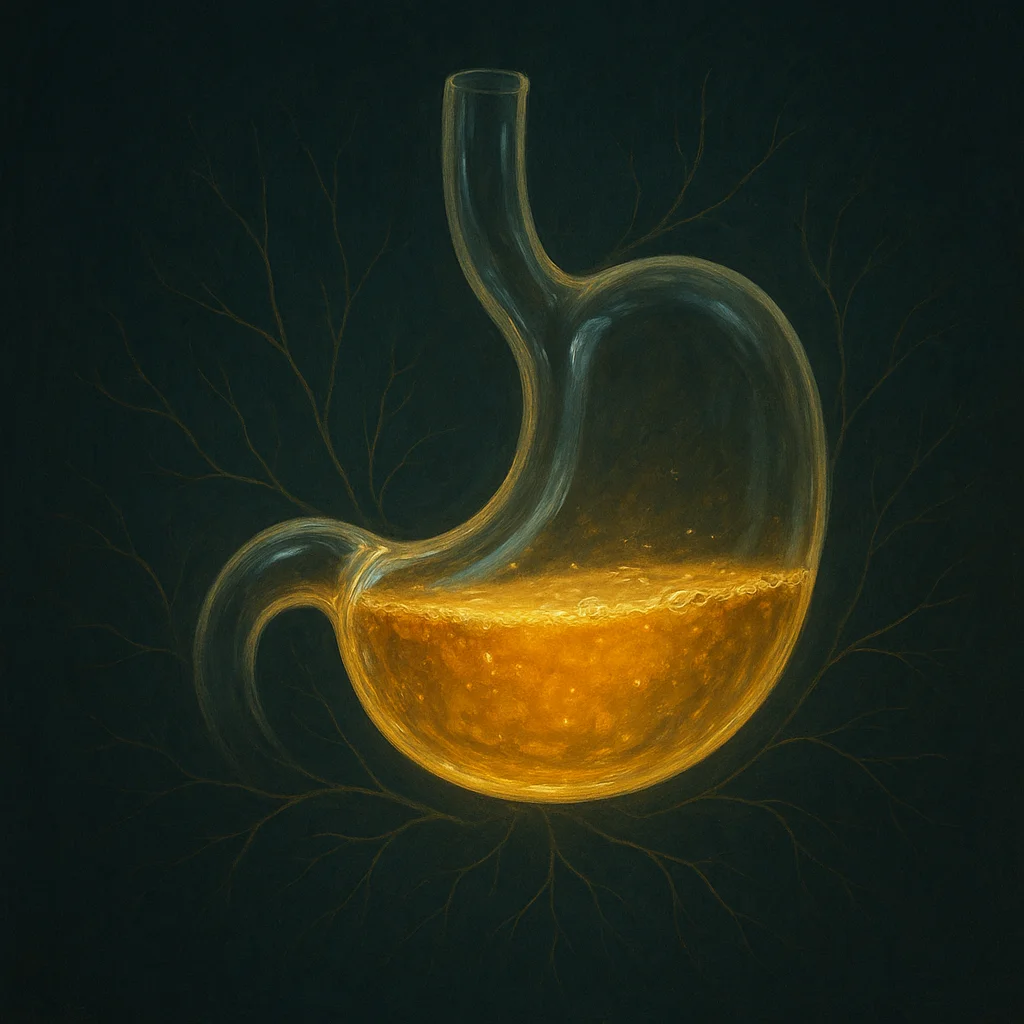
If you follow health news, you have seen GLP-1 medications everywhere. Semaglutide. Tirzepatide. Names that were once limited to diabetes clinics now appear in mainstream conversation about weight loss. Whether you are curious about them, actively avoiding them, or simply wondering what the fuss is about, there is something genuinely useful in understanding how they work. Because the biology they tap into is not exclusive to people with a prescription.
What GLP-1 Actually Is
GLP-1 stands for glucagon-like peptide-1. It is a hormone your gut already produces, naturally, every time you eat. It signals your pancreas to release insulin in proportion to your meal, tells your stomach to slow down how quickly food moves out, and sends a message to your brain that you have had enough. It also suppresses glucagon, a hormone that would otherwise push blood sugar higher between meals.
In short, GLP-1 is part of your body's built-in system for managing food intake and blood sugar. It exists in everyone. The medications work by mimicking or prolonging this signal, keeping it elevated far longer than your body would naturally maintain it after a meal.
The dramatic appetite suppression people describe on these drugs is not magic. It is an amplification of something that was already happening inside you, just more briefly.
Why That Matters for People Not Taking Them
If GLP-1 is a natural hormone, and certain eating behaviors are known to stimulate its release, then those behaviors carry real biological weight. They are not tricks or placebo. They are levers that influence the same pathway the medications target, just with less intensity and duration.
This is worth being honest about: food-based strategies will not replicate the suppression that pharmaceutical doses produce. The effect is smaller and shorter. If you have significant weight to lose and have tried dietary changes repeatedly without lasting success, speaking with a doctor about your options is a reasonable step, not a failure. But for people who want to work with their own physiology more deliberately, understanding this pathway is practical and actionable.
The Eating Patterns That Support Natural GLP-1 Release
Protein at the start of meals. Research consistently shows that protein is one of the strongest dietary stimulants for GLP-1 release. Eating a meaningful amount of protein before or at the beginning of a meal, rather than building the meal around refined carbohydrates, gives your gut an earlier signal to begin the fullness process. This does not require a specific gram target to be useful. It just means that eggs before toast, or chicken before rice, is more than a preference. It is a sequencing choice with a hormonal downstream effect.
Fiber-rich foods, especially early in a meal. Soluble fiber, the kind found in foods like oats, legumes, and most vegetables, slows digestion and supports GLP-1 release in the lower gut. Eating vegetables or a broth-based soup before the denser parts of a meal is a practical way to use this. The effect is not dramatic at any one meal, but across a day and a week it shifts the pattern meaningfully.
Slower eating pace. GLP-1 and other fullness hormones take roughly 15 to 20 minutes to register clearly in the brain after eating begins. A meal finished in eight minutes gives those signals almost no time to accumulate before you have already eaten more than your body would have chosen with slightly more time. Slowing down is not about mindfulness as a concept. It is about giving your existing hormonal signaling enough time to function. Putting a fork down between bites, or building meals with more chewing-intensive foods, achieves this practically.
Avoiding ultra-processed foods. Highly processed foods are engineered to move through the stomach quickly, which shortens the window of GLP-1 activity and reduces fullness signaling. They also tend to arrive with very little fiber or protein relative to their calorie content. Replacing them with whole or minimally processed alternatives is one of the single highest-leverage changes available, because it simultaneously improves the quality of the GLP-1 signal and reduces passive overconsumption.
What This Does Not Mean
It does not mean you can eat your way to pharmaceutical levels of appetite control. The honest comparison is that dietary strategies might get you a fraction of the suppression that a GLP-1 medication produces. For some people, that fraction is enough to make real, lasting progress. For others, the underlying biology is working harder against them, and that is not a character flaw.
It also does not mean every meal needs to be optimized. Trying to eat protein first and add fiber and slow down all at once from day one tends to produce short-lived effort followed by abandonment. A more durable approach is to pick one of these shifts, practice it until it feels ordinary, and then add the next.
A Practical Starting Point
If you want a single change that touches this pathway without overhauling your diet, consider this: at your largest meal of the day, eat a palm-sized portion of protein and a serving of vegetables before anything else on the plate. Not instead of everything else. Just first. Then continue the meal normally.
This is a low-friction entry point. It does not require calorie counting, new groceries, or a meal plan. It uses what you already have, reordered slightly. Over days and weeks, that small shift in sequence tends to reduce how much of the rest of the meal you finish, not because you are trying to eat less, but because your fullness signals have more time and better inputs to work with.
The Bigger Picture
The GLP-1 conversation has done something useful for everyone, regardless of whether medication is involved: it has moved the public discussion of appetite away from willpower and toward biology. Hunger is not a character test. It is a hormonal signal that can be influenced by what you eat, when you eat it, and how you eat it.
That is the practical takeaway. The tools exist inside your body already. Food choices and eating patterns either support those tools or work against them. That is not a fad idea. It is how digestion actually functions.