Why the Temperature of the Food You Eat Changes How Quickly You Finish the Meal
Hot and cold foods are eaten at different speeds for physical reasons, and that pace difference quietly shapes how much you eat before fullness arrives.
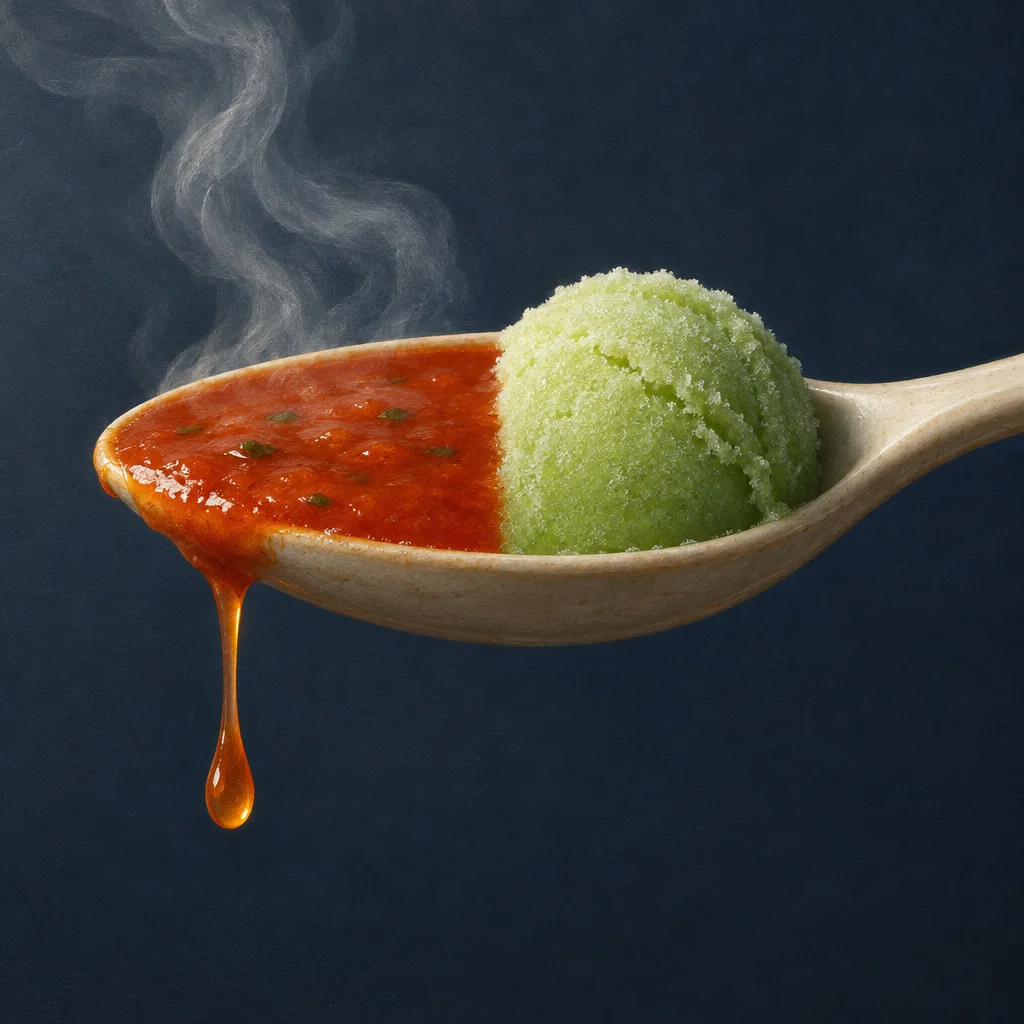
Most eating advice focuses on what you put on your plate. Far less attention goes to something you can observe any time you sit down for a meal: you eat a steaming bowl of soup differently than you eat a cold pasta salad. The difference is not just comfort or preference. The temperature of food creates real physical constraints on eating speed, and eating speed is one of the more reliable levers for reducing how much you eat at a sitting.
Why Temperature Changes the Pace of a Meal
Very hot food requires you to slow down. You blow on it, you take smaller bites, you set the fork down and wait. This is not a strategy most people decide on consciously. It is just what you do when something could burn your mouth if you rush. The result is a meal that takes longer to eat, which gives your body more time to generate and receive fullness signals before you have eaten too much.
Cold food, and especially room-temperature food, has no such built-in pause. You can eat it at whatever pace your hunger or habit sets, which for many people is fast. Very fast eating compresses the gap between your first bite and the point when your body signals that it has had enough. By the time that signal lands, you may already be well past the amount you actually needed.
This is not a personality flaw. It is just biology with a timing problem.
How Fullness Signals Work and Why Timing Matters
Your body does not know you are full instantly. After you start eating, there is a lag of roughly fifteen to twenty minutes before hormonal and stretch signals from your stomach are fully processed by your brain. The meal you eat in that window before the signal lands is essentially invisible to your hunger system.
Eating slowly does not shrink your stomach or change your metabolism in any dramatic way. What it does is buy time. When a meal takes twenty to twenty-five minutes rather than eight, more of the food has been eaten after the signal arrives rather than before it. You are more likely to notice you are satisfied before you reach the bottom of the bowl.
Hot foods mechanically force that slower pace for a good portion of the meal. This is one reason why soups, stews, and hot porridge have such a strong track record for satiety relative to their calorie counts. The temperature is doing some of the work.
Practical Ways to Use This Without Overhauling Your Diet
You do not need to start eating foods you dislike or abandon cold meals you enjoy. The goal is just to be aware of the pace difference and occasionally use it on purpose.
A few suggestions worth trying:
Start meals with something warm. Beginning with a cup of broth, a small bowl of vegetable soup, or even a warm beverage before your main meal slows the opening of the meal. You are less likely to race through the first several minutes of eating if what you are eating requires you to take your time.
Notice your pace with cold meals. Salads, sandwiches, and cold leftovers are easy to eat quickly. If you regularly eat these and feel unsatisfied shortly after, try setting a timer and aiming for at least fifteen minutes for the meal. You may find you need less food than you thought once the signal catches up.
Let hot food cool slightly, but not completely. There is a window where food is warm enough to slow you down but not so scalding that you are uncomfortable. Eating in that window tends to produce a more natural, unhurried pace.
Treat soups and stews as calorie-efficient options. A broth-based soup with vegetables and protein is typically lower in calories than the same ingredients prepared as a dry dish, partly because of the volume of water, and partly because the heat encourages slower eating. Both effects support fat loss without requiring you to track anything.
What This Does Not Mean
This is not an argument that cold food makes you gain weight or that you need to eat hot meals three times a day. Cold foods can absolutely be part of a sensible eating plan. Plenty of people lose weight eating salads and smoothies regularly.
The point is narrower than that. Temperature is one factor among several that shapes eating pace. If you are someone who tends to finish meals quickly and then finds yourself hungry again soon after, looking at whether your meals are mostly cold or room-temperature is a reasonable place to start. It is a low-effort adjustment compared to counting every calorie or restructuring your entire diet.
Connecting This to Real Eating Patterns
Consider a hypothetical example. Suppose you eat lunch at your desk most days: a sandwich, some chips, and a cold drink. The whole meal might take seven or eight minutes. Now suppose you swap two of those lunches per week for a bowl of lentil soup with a piece of bread. The soup takes longer to eat by its nature, adds more fiber, and provides more volume per calorie. Over weeks, those two meals alone could shift your average daily calorie intake in a meaningful direction, not because you were restricting yourself, but because the meal structure was working differently.
Nobody is suggesting you eat soup you dislike or that hot food is a magic solution. But when two meal options are roughly equivalent in nutrition and appeal to you equally, the one that slows you down is usually the better choice for weight management.
The Takeaway
Food temperature is a quiet variable in how much you eat. Hot foods slow your eating pace by physical necessity, giving fullness signals more time to catch up before you have overeaten. Cold and room-temperature foods have no such brake built in, which means pace depends entirely on your awareness in the moment.
Using this does not require a new diet or a meal plan overhaul. Starting a meal with something warm, eating at least a few hot meals each week, and simply noticing how quickly you move through cold meals are all low-barrier changes. They work with your biology rather than against it, which is exactly the kind of practical adjustment that tends to stick.