Why Drinking More Water Actually Moves the Scale (And Exactly How Much You Need)
Hydration directly influences three fat-metabolism mechanisms most dieters overlook, and hitting a specific daily target produces measurable weight-loss results without changing a single food choice.
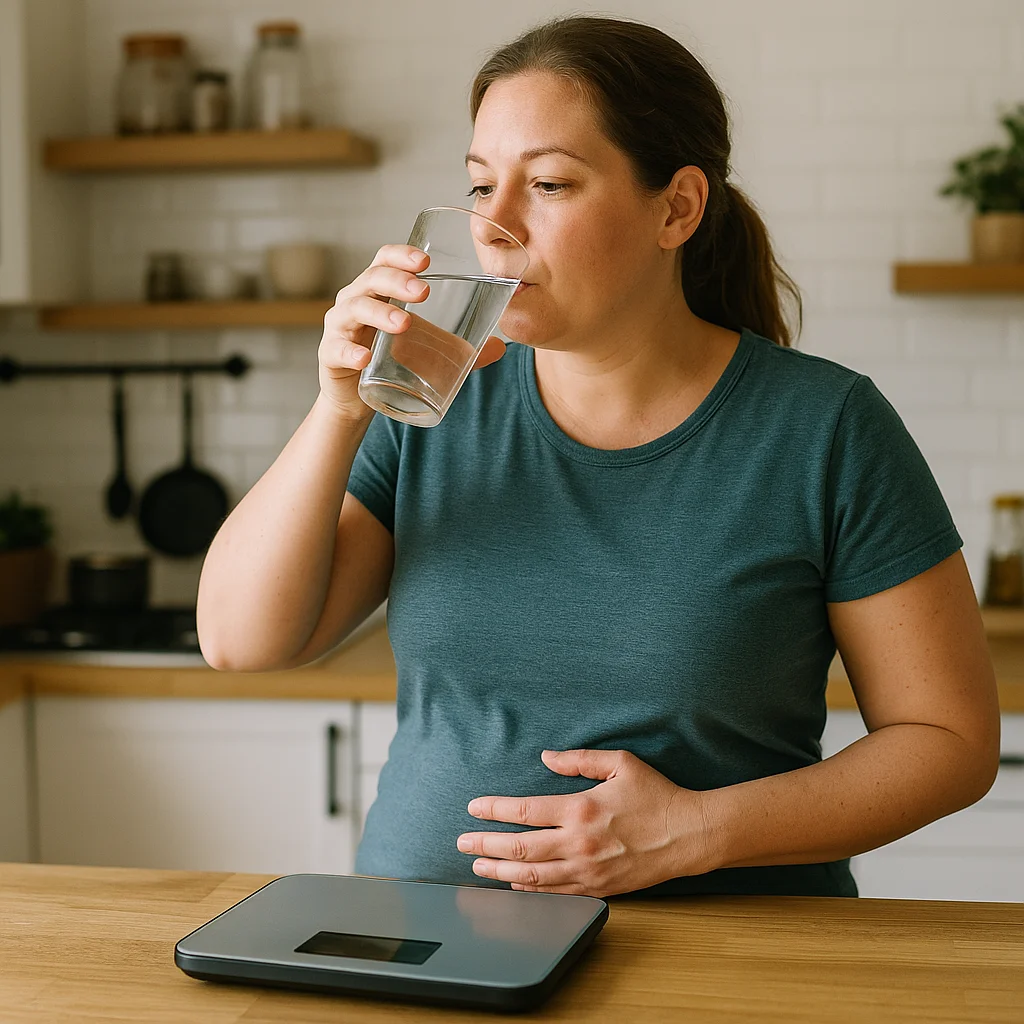
Most weight-loss advice about water sounds like a footnote. Drink eight glasses. Stay hydrated. It gets mentioned, then buried under macros and meal timing. That's a mistake, because the connection between water intake and fat loss is more direct than most people realize — and it runs through biology, not willpower.
Here's what's actually happening when you drink enough water, why falling short quietly slows fat loss, and what a realistic daily target looks like for an adult who's primarily losing weight through diet and walking.
The Three Mechanisms That Actually Matter
First: lipolysis requires water. Fat doesn't just disappear when your body burns it. The process of breaking triglycerides out of fat cells — lipolysis — requires water molecules to complete the chemical reaction. This isn't a metaphor. It's basic biochemistry. When you're mildly dehydrated, your body has a reduced capacity to run this process efficiently. The rate at which fat cells release stored fat slows. You're not imagining slower progress; there's a physiological reason for it.
Second: your kidneys and liver compete for resources when you're dehydrated. Your kidneys need adequate water to filter waste. When they're running low, they pull support from the liver. Here's why that matters for weight loss: one of the liver's primary jobs is converting stored fat into usable energy. When the liver is busy picking up slack for the kidneys, fat metabolism takes a back seat. This is a well-documented physiological relationship, not a wellness myth.
Third: water has a measurable thermogenic effect. Studies on resting energy expenditure consistently find that drinking roughly 500 ml (about 17 oz) of water temporarily raises your metabolic rate by approximately 24 to 30 percent for 30 to 60 minutes afterward. The effect isn't enormous in isolation — we're talking roughly 25 to 30 extra calories burned per half-liter — but across a day, across weeks, it compounds. More importantly, pre-meal water intake reliably reduces how much food people consume at that meal, with one well-designed trial finding that adults who drank 500 ml before each meal lost significantly more weight over 12 weeks than those who didn't, eating the same diet otherwise.
The Number That Actually Works
The "eight glasses" rule is not wrong, but it's imprecise enough to be misleading. A 120-pound woman and a 220-pound man are not going to have the same hydration needs. Neither will two people doing the same diet at very different activity levels.
A more useful starting point: 0.5 ounces of water per pound of body weight, per day. At 180 pounds, that's 90 ounces — roughly 11 cups or just under 3 liters. At 150 pounds, about 75 ounces. This isn't a ceiling; it's a floor. On days you walk more, it goes up. If you drink coffee or tea, those count toward fluid intake (the diuretic effect of moderate caffeine is modest and largely offset by the water in the beverage itself — the old "coffee dehydrates you" claim is overstated).
Alcohol is a genuine diuretic and does not count. If you drink, add water on top.
How to Tell If You're Actually Hitting Your Target
You don't need an app to track this, though you can use one. A simpler check: your urine should be pale yellow — the color of lemonade — for most of the day. Dark yellow or amber means you're behind. Completely clear all day means you might be overdrinking, which is possible though uncommon in adults eating normally.
Most people find they're mildly dehydrated by late afternoon without realizing it. Fatigue that hits around 2 or 3 p.m., headaches, and that vague hunger that appears shortly after lunch are all classic signs of mild dehydration — and they're often misread as hunger, leading to extra calories consumed.
Practical Ways to Hit the Target Without Thinking About It
Knowing the target and consistently hitting it are different problems. Here's what works based on behavioral data:
Front-load the day. Aim to drink 20 to 30 ounces before 10 a.m. This isn't about some mystical morning ritual — it's simply that people who hydrate early are more likely to end the day at their target. The later you start, the harder it is to catch up without feeling waterlogged at night.
Tie water to meals deliberately. Drink 16 ounces (two cups) 20 to 30 minutes before each main meal. This directly uses the pre-meal satiety effect from the research and puts three structured drinking events into your day automatically. Three meals times 16 ounces gets you to 48 ounces before any incidental drinking occurs.
Use a container with a known volume. A 32-ounce water bottle means you know that drinking it twice gets you to 64 ounces. Drinking from glasses throughout the day makes tracking nearly impossible for most people. The container is the system.
If plain water feels like a chore, sparkling water, water with a squeeze of citrus, or unsweetened herbal teas all count. The goal is fluid intake, not a specific ritual around still water.
What About Sodium?
Hydration and sodium are related. Adequate water intake paired with very low sodium can actually cause issues (hyponatremia), but this is almost exclusively a concern for endurance athletes, not for adults doing diet changes and daily walking. If you're eating a normal diet — even a diet-level reduced sodium intake — you're not at risk from drinking appropriate amounts of water. If you're eating very high sodium regularly, you'll tend to retain more water, which can make scale readings noisy (this is separate from fat loss, but it's worth knowing the scale may read higher on high-sodium days even as fat is being lost).
The Bottom Line
Water isn't magic. It won't override a calorie surplus or replace the work that diet and movement do. But it's one of the few completely free, no-tradeoff adjustments available to anyone trying to lose weight — and most people in that effort are chronically underfueled on it.
Hit your body-weight-based target. Drink before meals. Front-load the morning. Check your urine color.
Three fat-metabolism mechanisms will work the way they're supposed to, the pre-meal satiety effect will quietly reduce how much you eat, and the afternoon energy crashes that lead to snacking will become less frequent. None of that requires a new diet, a new supplement, or a new workout. Just water, at the right amount, distributed through the day.