Why Fiber Deserves as Much Attention as Protein When You're Trying to Lose Weight
Dietary fiber shapes hunger, gut hormones, and calorie absorption through three distinct mechanisms that most dieters overlook entirely while tracking protein and calories.
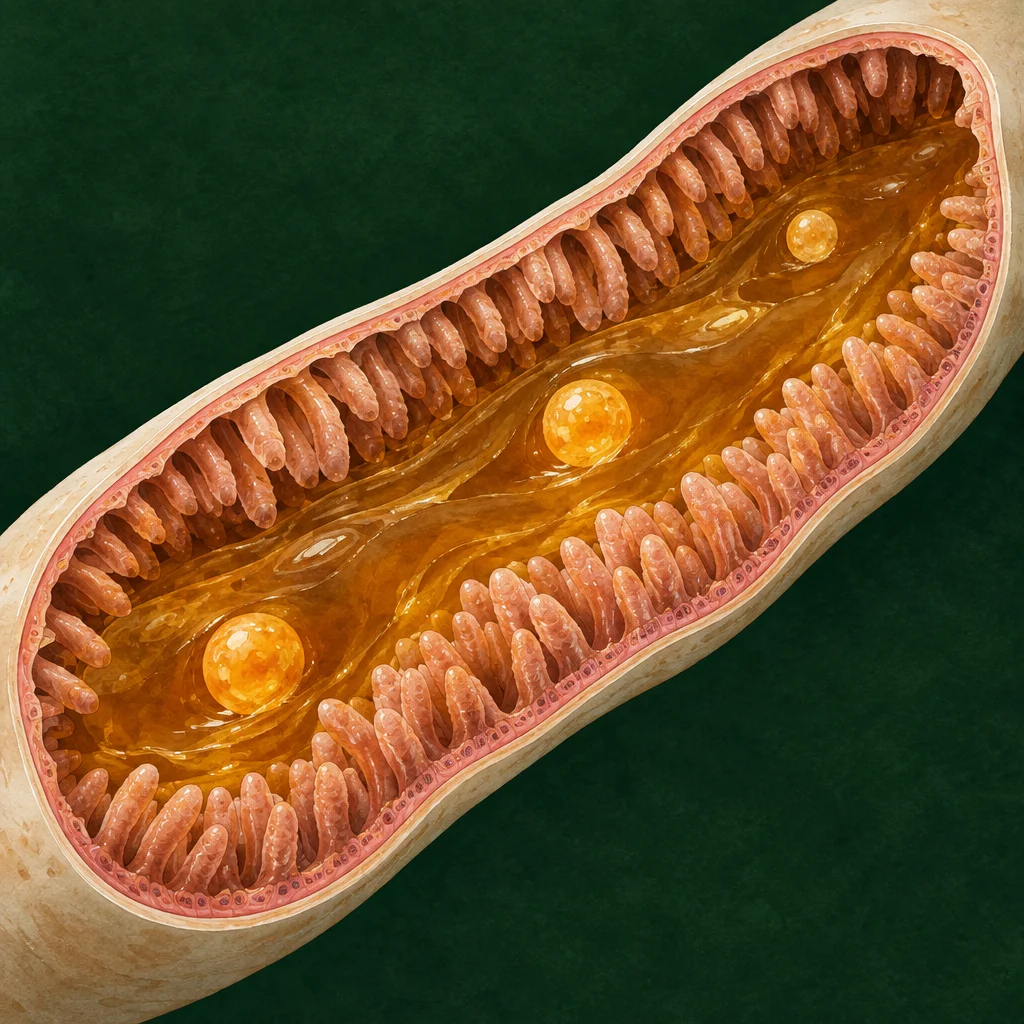
Most of the diet advice you encounter centers on two numbers: calories in and protein grams. Both genuinely matter. But there is a third variable that quietly influences how hungry you feel, how much of what you eat your body actually absorbs, and whether your gut is working with your weight-loss effort or against it. That variable is dietary fiber, and it earns far less attention than it deserves.
This is not a pitch for a supplement or a specific food brand. It is an explanation of what fiber actually does inside your body, described plainly, so you can make a more informed decision about whether your current diet includes enough of it.
What Fiber Is, Briefly
Fiber is the part of plant foods that your digestive enzymes cannot break down. It passes through your small intestine largely intact and reaches your large intestine, where some of it gets fermented by gut bacteria and some of it continues out of your body. That sounds like a dead end, but what happens along the way matters a great deal.
There are two broad categories. Soluble fiber dissolves in water and forms a gel-like substance in your digestive tract. Oats, beans, lentils, apples, and carrots contain meaningful amounts of it. Insoluble fiber does not dissolve; it adds bulk and speeds transit. Whole wheat, bran, and most vegetables provide it. A typical whole food will contain both types in varying proportions. You do not need to track each kind separately. Eating a reasonable variety of whole plant foods generally provides a workable mix.
Mechanism One: Slowing Digestion and Flattening Hunger
When soluble fiber absorbs water and becomes gel-like, it physically slows the movement of food through your stomach and small intestine. That slower transit does two things relevant to weight loss.
First, it delays the absorption of glucose from carbohydrates. A more gradual glucose rise produces a more gradual insulin response. You avoid the sharper spike-and-drop pattern that can leave you hungry again an hour after eating.
Second, slower stomach emptying extends the physical sensation of fullness. You feel satisfied longer from the same number of calories. Over a full day, that sustained fullness tends to reduce the impulse to eat between meals, not because you have more willpower, but because the physical signal is genuinely present longer.
This is one reason two meals with identical calorie counts can produce very different hunger outcomes. A 500-calorie meal built around whole grains, beans, and vegetables behaves differently in your stomach than a 500-calorie meal built around refined flour and added sugar, even if the protein content is similar.
Mechanism Two: Gut Hormones You Do Not Control Consciously
Your gut produces hormones that signal fullness and regulate appetite, and fiber directly influences some of them. When fiber, particularly soluble fiber, reaches your large intestine and is fermented by gut bacteria, the byproducts of that fermentation include short-chain fatty acids. Those short-chain fatty acids trigger the release of gut hormones involved in telling your brain that you have had enough to eat.
This is not a magic switch. The effect is modest and cumulative rather than dramatic and immediate. But across days and weeks, a diet that consistently stimulates these hormonal pathways may reduce baseline hunger in a way that a lower-fiber diet does not. You are not relying on motivation to eat less; your gut chemistry is doing some of that work.
For context, GLP-1 medications that are widely discussed right now work partly by amplifying the same fullness-signaling pathway. A high-fiber diet does not replicate medication effects, and it would be misleading to suggest otherwise. But the underlying biology your gut uses is the same biology, and dietary choices that support it are not trivial.
Mechanism Three: Calorie Absorption Is Not 100 Percent
Calorie counts on labels and in tracking apps assume complete absorption. In practice, fiber interferes with the absorption of some fats and carbohydrates by binding to them physically or by moving them through your intestine before full digestion can occur. The difference is not enormous, but it is real.
A practical illustration: two hypothetical diets, each logged at 1,800 calories per day, but one contains 10 grams of fiber daily and the other contains 35 grams. The higher-fiber diet may result in slightly fewer net calories absorbed, independent of anything else. This is not a reason to stop tracking, and the gap is not large enough to rescue a diet that is otherwise off course. But it helps explain why people who shift toward whole, minimally processed foods sometimes see better results than their calorie logs would predict.
A Realistic Target and Where to Find It
General guidance from nutrition bodies suggests roughly 25 grams per day for women and 38 grams per day for men, though most adults in Western countries eat closer to 15 grams. Closing that gap does not require a dramatic dietary overhaul.
Practical suggestions to consider:
- Replace refined grains with intact grains where it is feasible for you. Oats instead of sugary cereal, whole grain bread instead of white, brown rice or barley instead of white rice.
- Add a legume serving several times a week. A half cup of cooked lentils, black beans, or chickpeas contributes roughly 6 to 8 grams of fiber and is inexpensive relative to most protein sources.
- Eat vegetables as a volume strategy rather than an afterthought. A large portion of non-starchy vegetables adds fiber and physical bulk with very few calories, which helps fill the plate and the stomach.
- Keep the skin on potatoes, apples, and similar foods where you normally would not peel them. A meaningful portion of the fiber lives there.
- Add a small handful of nuts or seeds to meals where they fit. They contribute fiber alongside fat and protein, a combination that tends to extend satiety further.
Raise your fiber intake gradually if you are currently eating very little of it. Jumping from 12 grams to 40 grams in a week tends to cause bloating and discomfort. A reasonable pace is adding roughly 5 grams per week while also increasing your water intake, since fiber absorbs water and needs it to work well.
The Honest Bottom Line
Fiber is not a replacement for a calorie-aware approach, and it is not a shortcut. It is a lever that influences hunger, gut hormone signaling, and absorption in ways that make a calorie deficit easier to sustain without feeling like deprivation. For people who have tracked diligently and still struggle with afternoon hunger or evening overeating, fiber intake is often one of the first practical adjustments worth examining before assuming the problem is willpower.
Most whole plant foods provide it. Most of them are affordable. And unlike many things in the diet conversation, the mechanism behind how fiber works is straightforward enough that you can use that understanding to make decisions that actually hold up over time.