How High Altitude Training Affects Weight Loss and Metabolic Adaptation
Scientific evidence shows how training at elevation changes metabolism, increases calorie burn, and accelerates fat loss through oxygen adaptation.
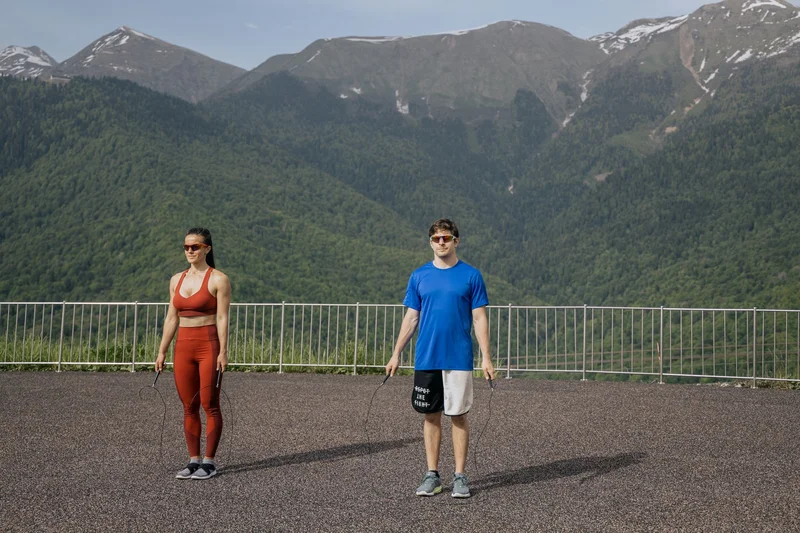
Oxygen Adaptation Increases Metabolic Rate
Training at altitudes above 8,000 feet triggers metabolic adaptations that persist even at sea level. Reduced oxygen availability forces the body to work harder during exercise, increasing calorie expenditure by 300-500 calories per training session. Research from the University of Colorado found athletes training at altitude for six weeks maintained 12% higher resting metabolic rates for up to three months after returning to sea level. The body produces more red blood cells and improves mitochondrial efficiency to cope with lower oxygen levels. These adaptations enhance fat oxidation capacity, allowing the body to burn fat more efficiently during both exercise and rest periods.
Appetite Suppression at Elevation
Altitude naturally suppresses appetite through hormonal changes that support weight loss. The reduced oxygen environment increases leptin sensitivity while decreasing ghrelin production, leading to sustained appetite reduction. A study published in Obesity Research found participants at 10,000 feet consumed 1,700 fewer calories daily without conscious restriction. The hypoxic environment also triggers release of cholecystokinin (CCK), a hormone that promotes satiety and slows gastric emptying. These appetite changes persist for 2-4 weeks after returning to lower elevations. Mountain climbers and altitude athletes frequently report effortless weight loss during training camps, even when consuming high-calorie foods to fuel performance.
Enhanced Fat Oxidation Pathways
Altitude training fundamentally rewires fat metabolism by enhancing the body's ability to use fat as fuel. Low oxygen environments upregulate genes responsible for fat oxidation while downregulating carbohydrate metabolism pathways. Research shows altitude-trained athletes burn 23% more fat during exercise at any elevation. The adaptation involves increased production of enzymes that break down fatty acids and improved mitochondrial fat-burning capacity. These changes make the body more metabolically flexible, switching efficiently between fuel sources based on availability. Athletes maintain these enhanced fat-burning capabilities for 6-8 weeks after altitude exposure, providing a sustained weight loss advantage during this period.
Practical Altitude Training Applications
Simulated altitude training through masks, chambers, or elevation facilities can provide similar metabolic benefits for weight loss. Training at simulated 8,000-12,000 feet for 45-60 minutes three times weekly produces measurable metabolic adaptations within four weeks. Altitude masks during cardiovascular exercise increase workout intensity and post-exercise calorie burn. Hypobaric chambers allow controlled altitude exposure while monitoring safety parameters. Research indicates even short altitude exposures of 2-3 hours can trigger beneficial hormonal changes. However, gradual adaptation is crucial to prevent altitude sickness and maintain exercise performance. Combining moderate altitude exposure with resistance training maximizes both metabolic adaptation and muscle preservation during weight loss phases.